








General Specification
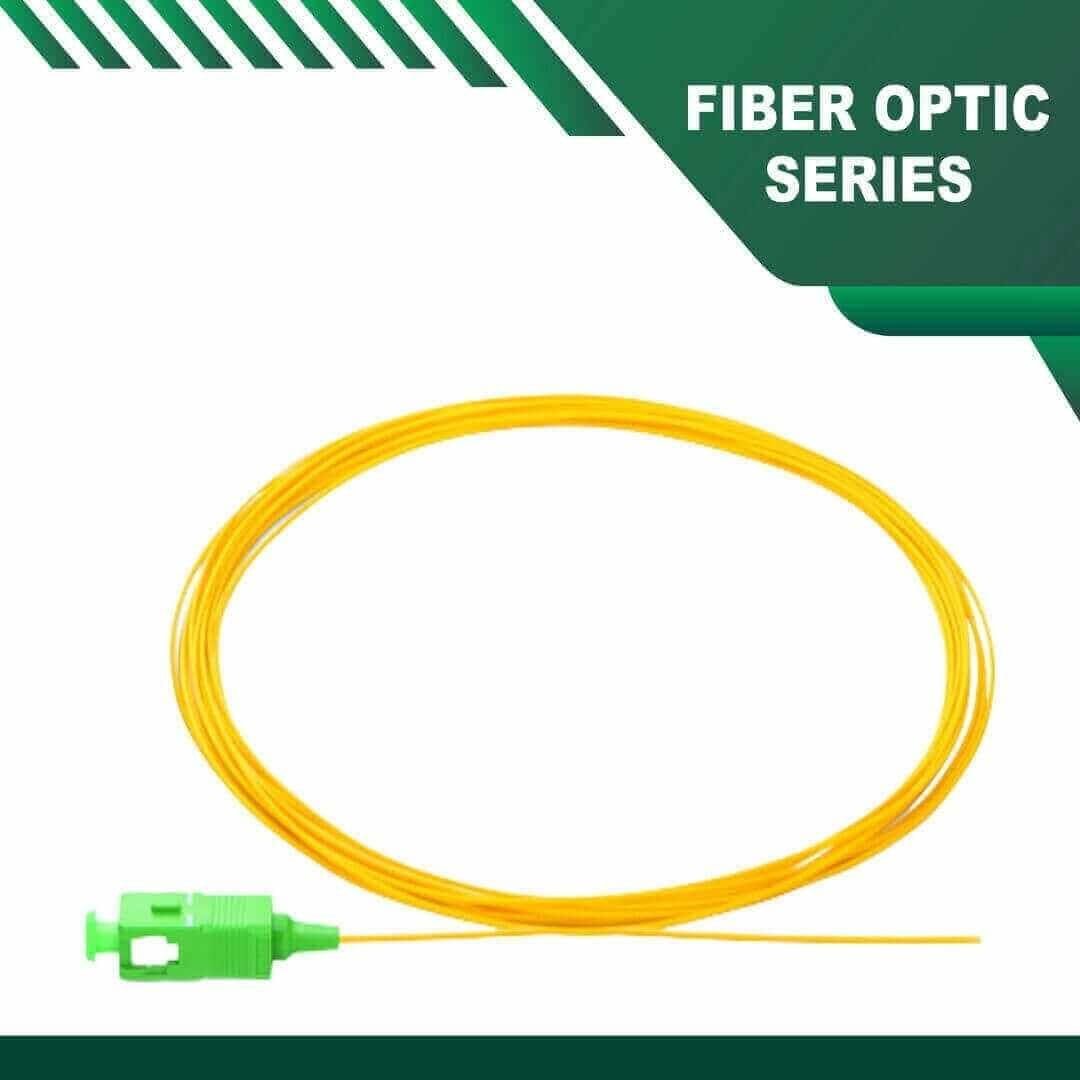
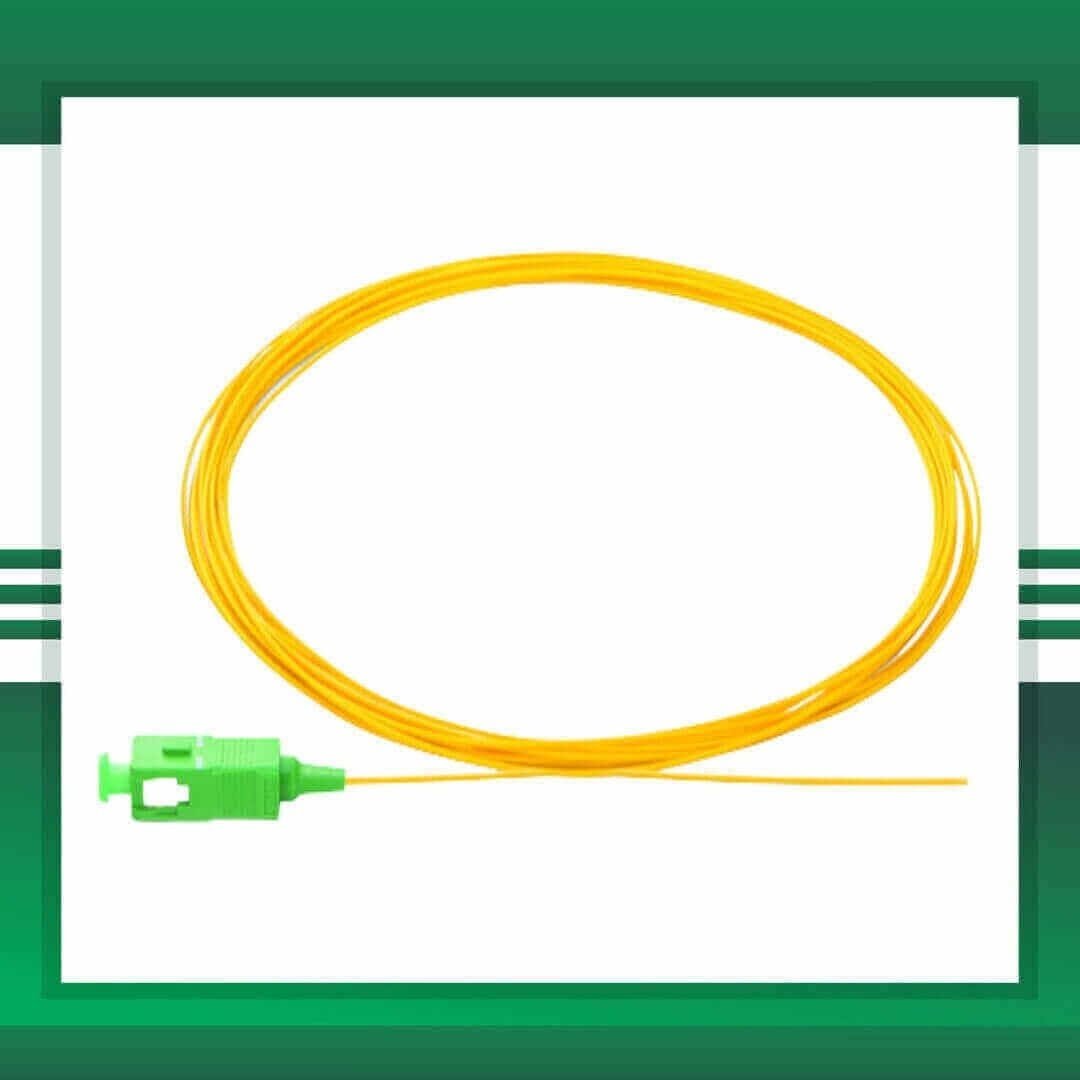
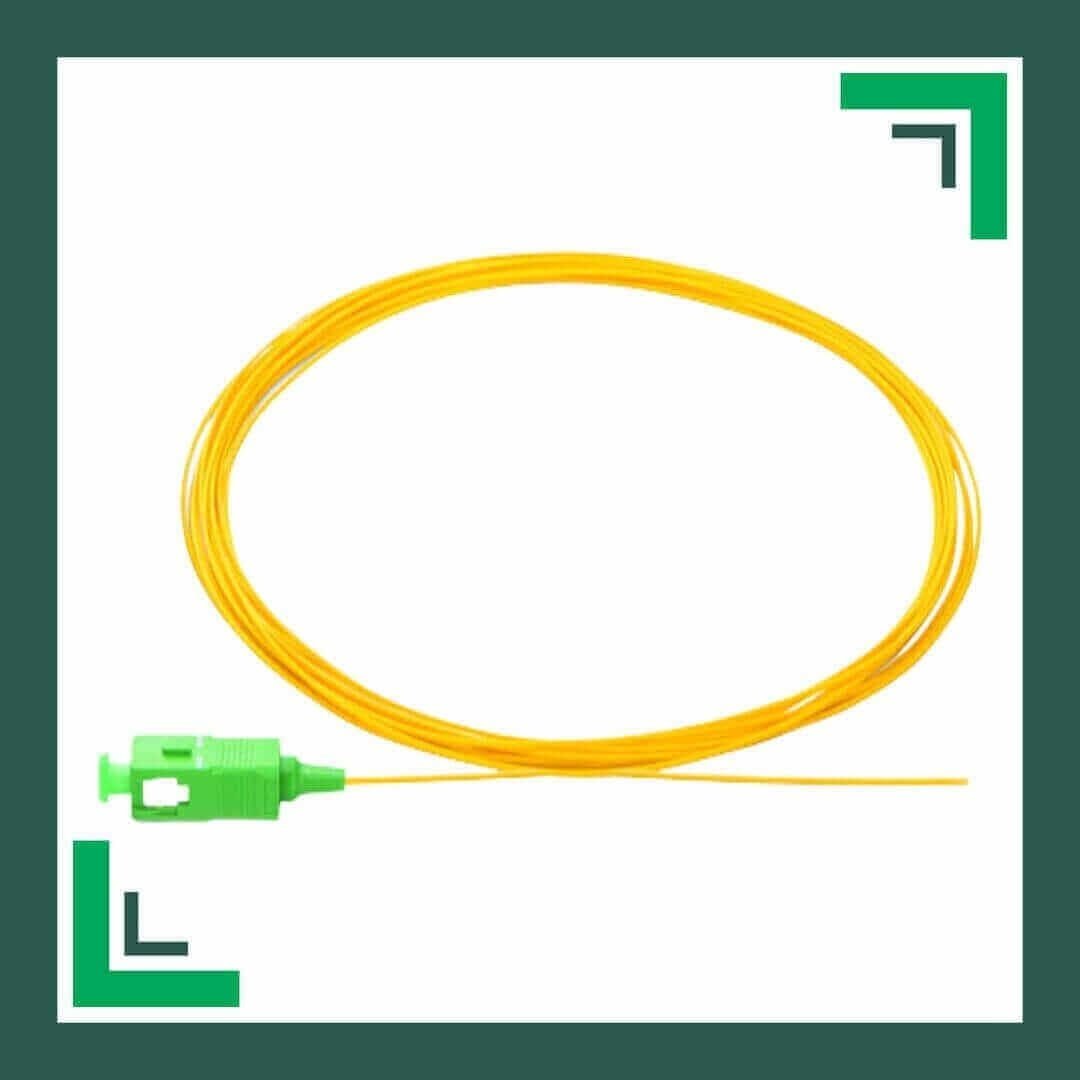
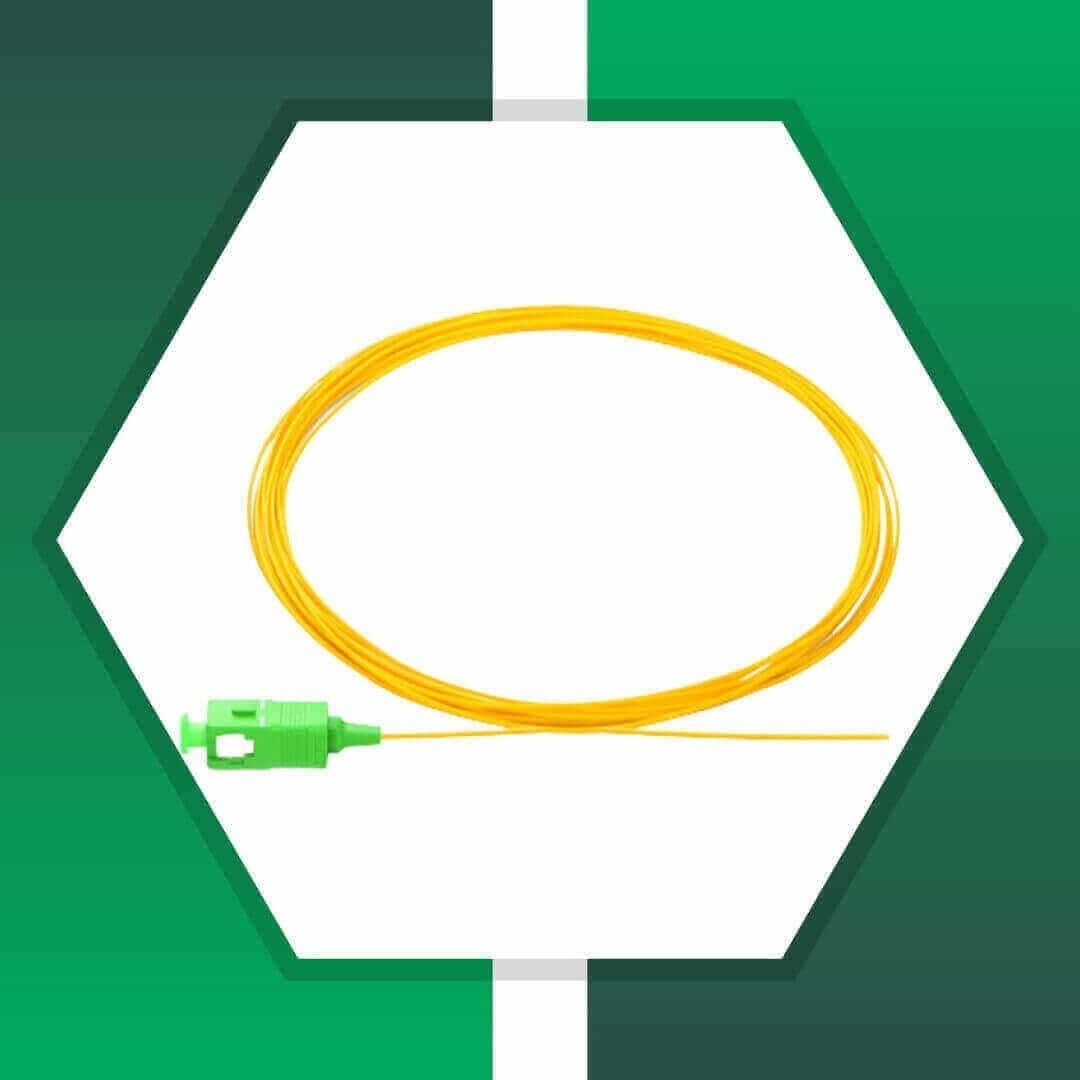
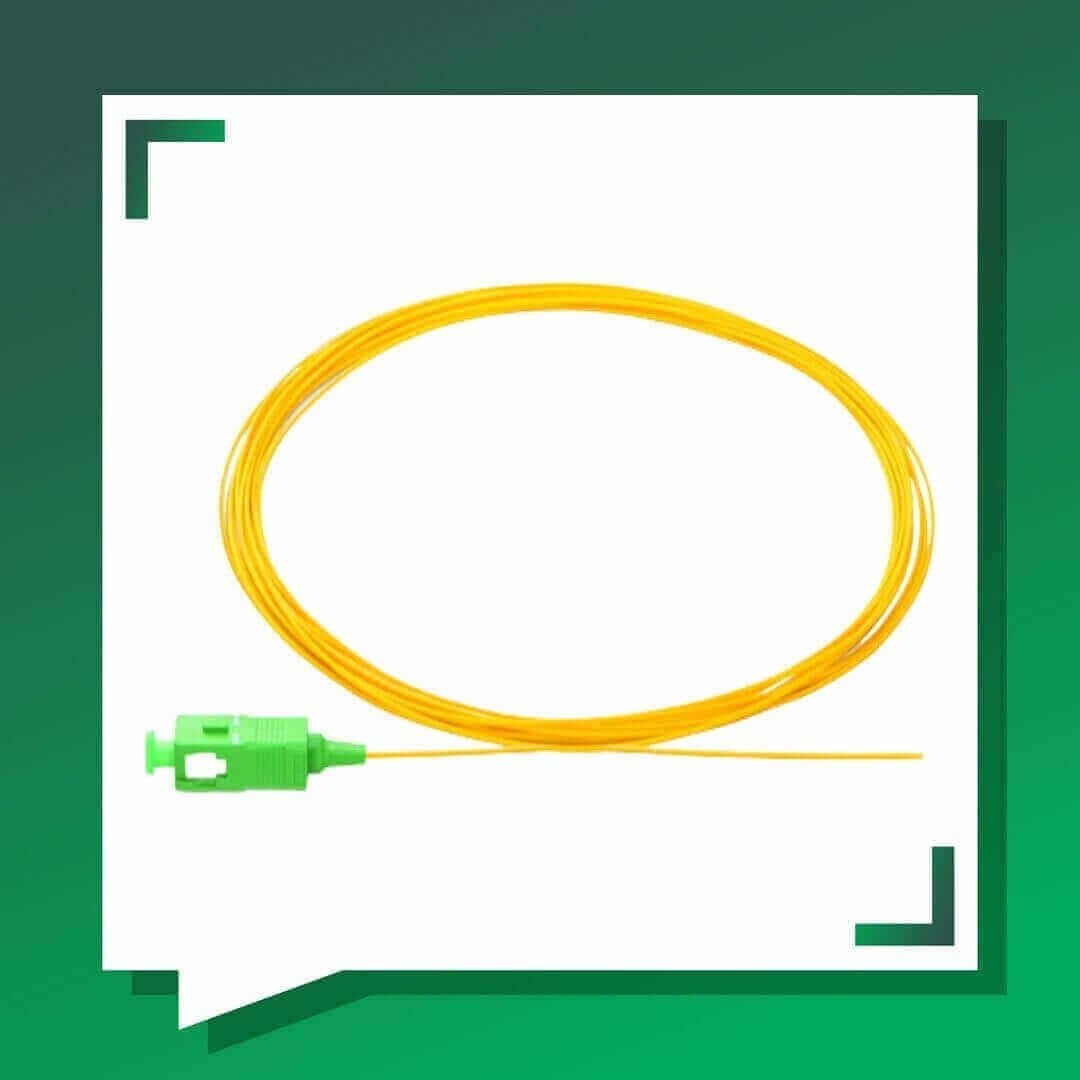
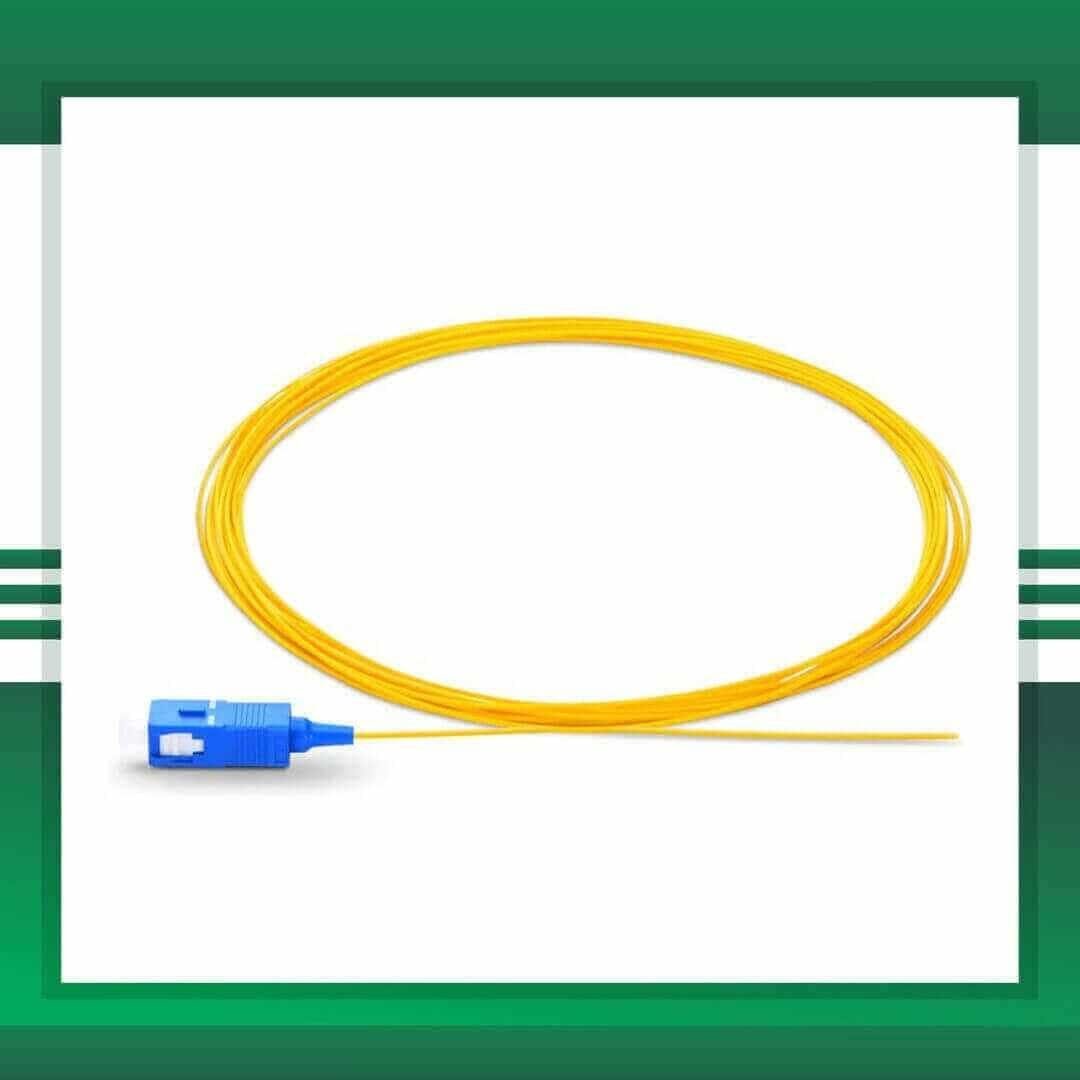
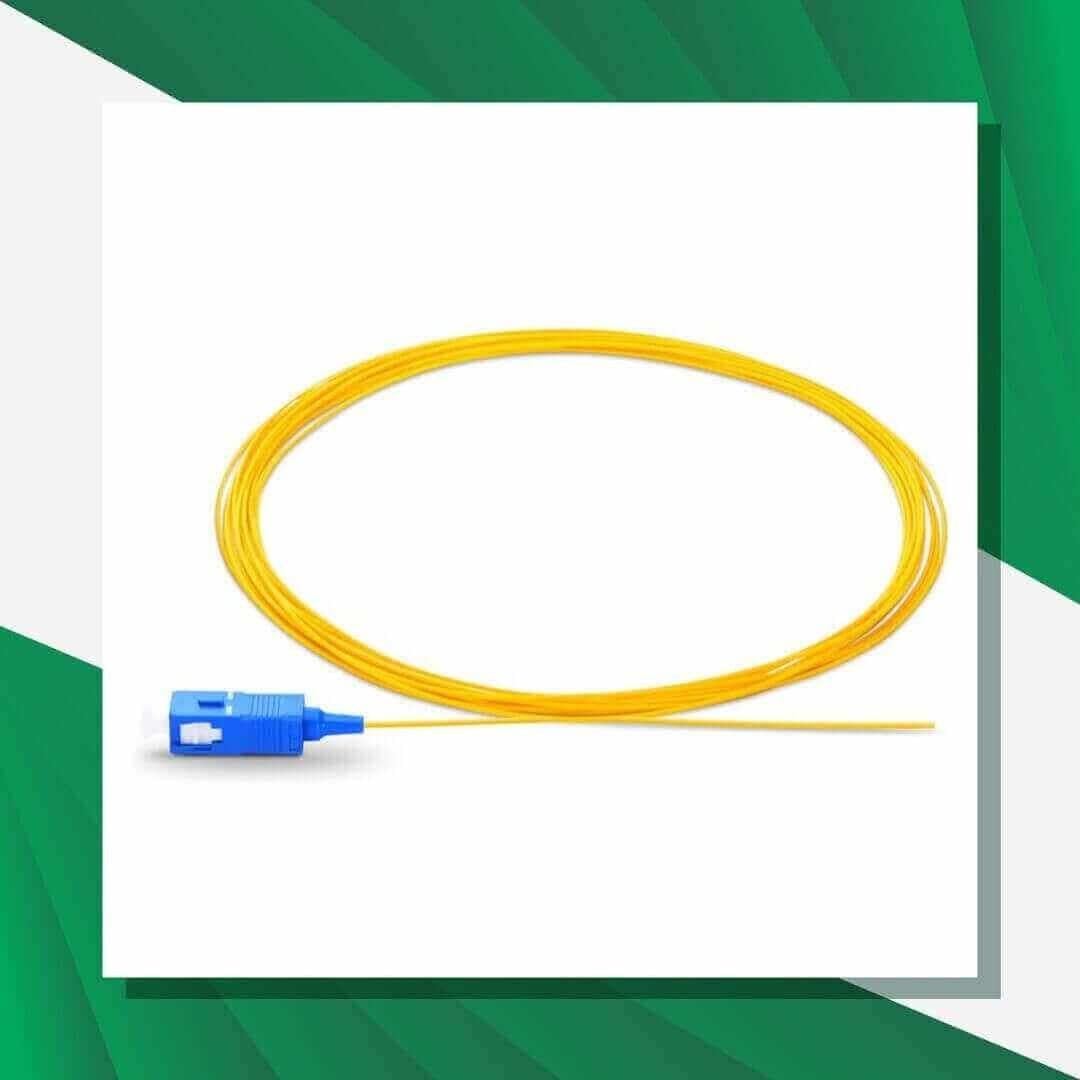
Connector : SC
Polish Type : APC
Fiber Mode : 9/125um
Fiber Grade : ITU-TG.652D, G.657A1 /A2
Wavelength : SM:1310/1550nm
Cable Diameter : 0.9mm
Insertion loss : ≤0.3dB
Return loss : ≥60 dB
Durability : >1000 Times
Minimum Bend Radius : 30 mm
Buffer : Tight buffer,900um
Jacket Material : LSZH
Color : Yellow
Products ID :tmt-p51101
Brand : TMT GLOBAL
Manufactured by: fahad cables industry
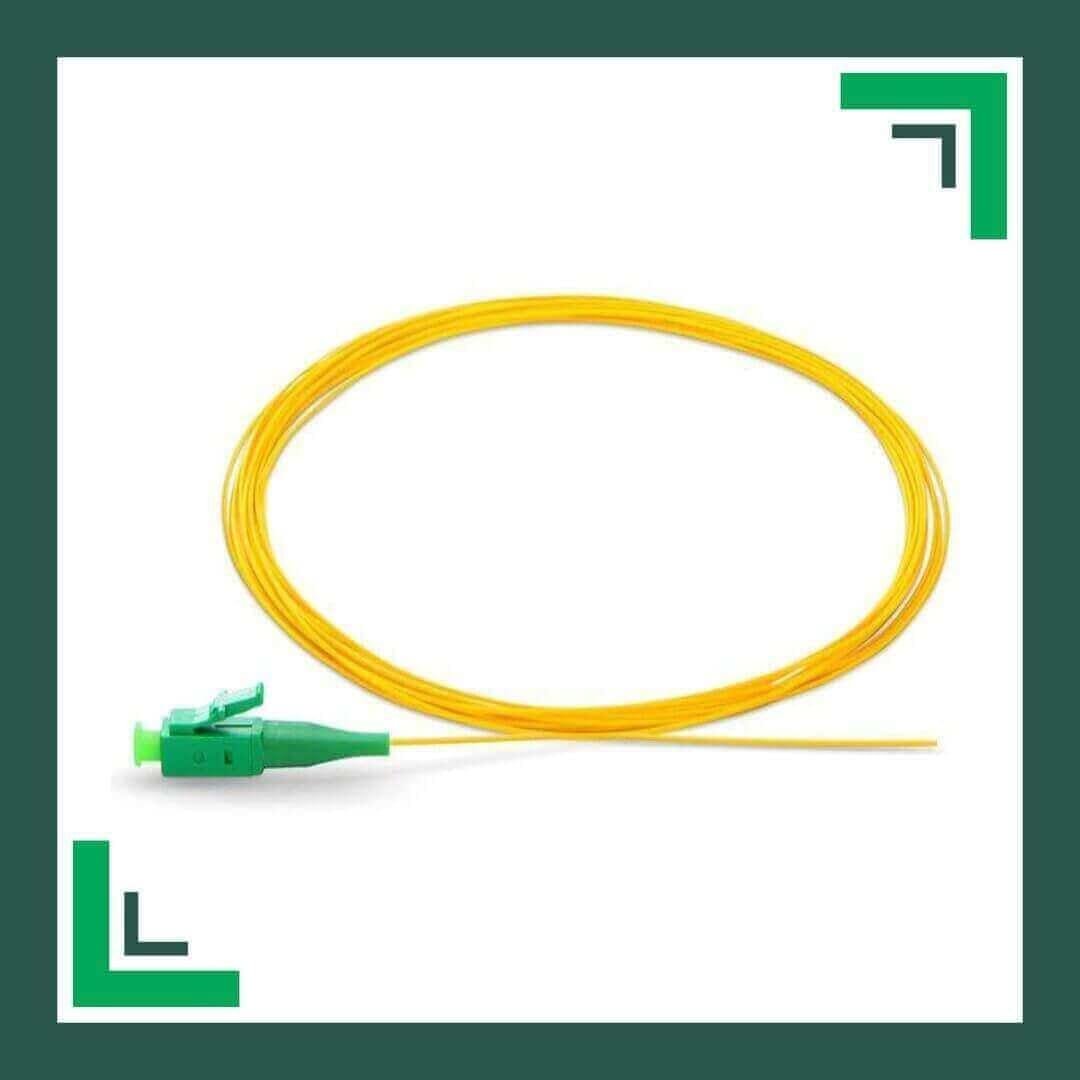
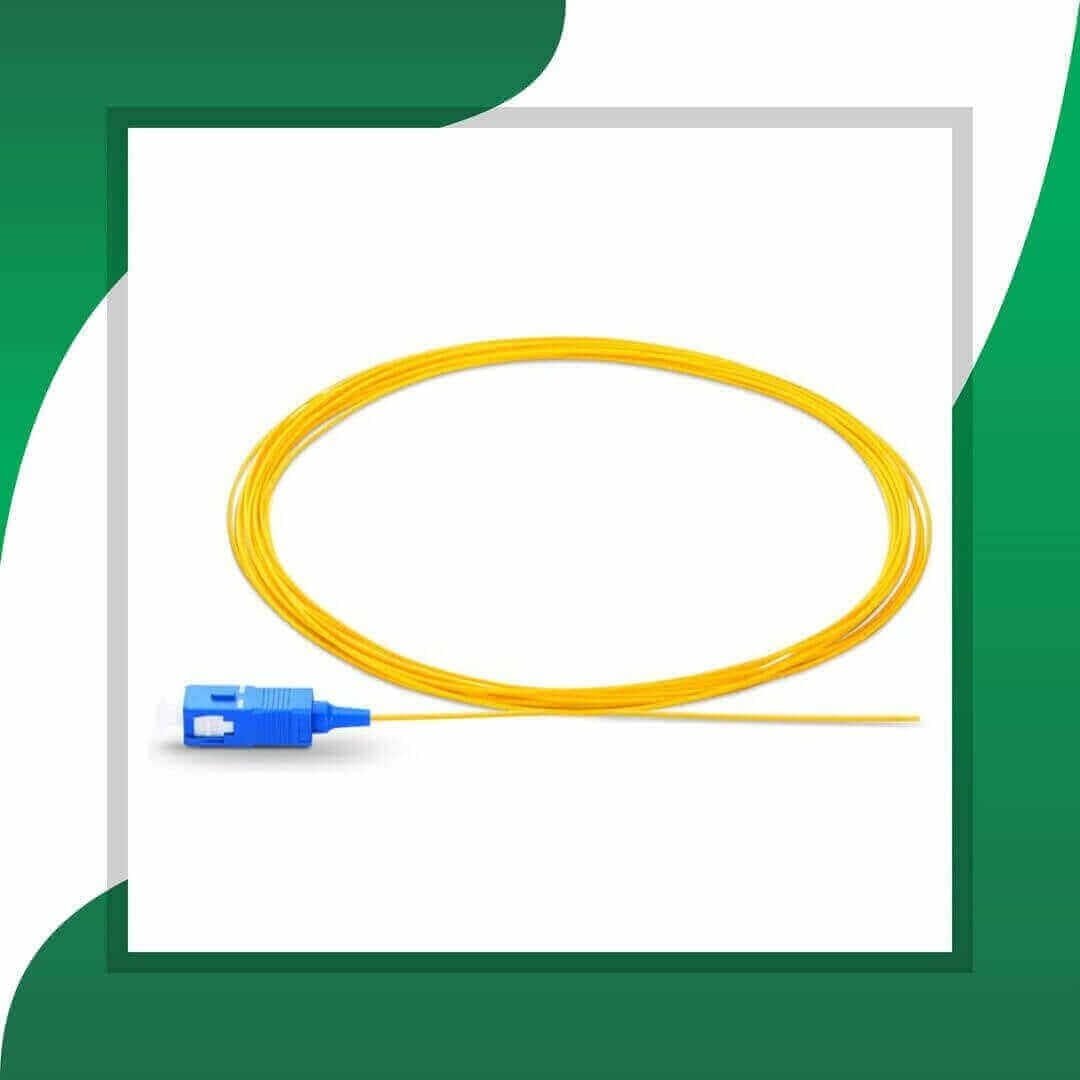
General Specification
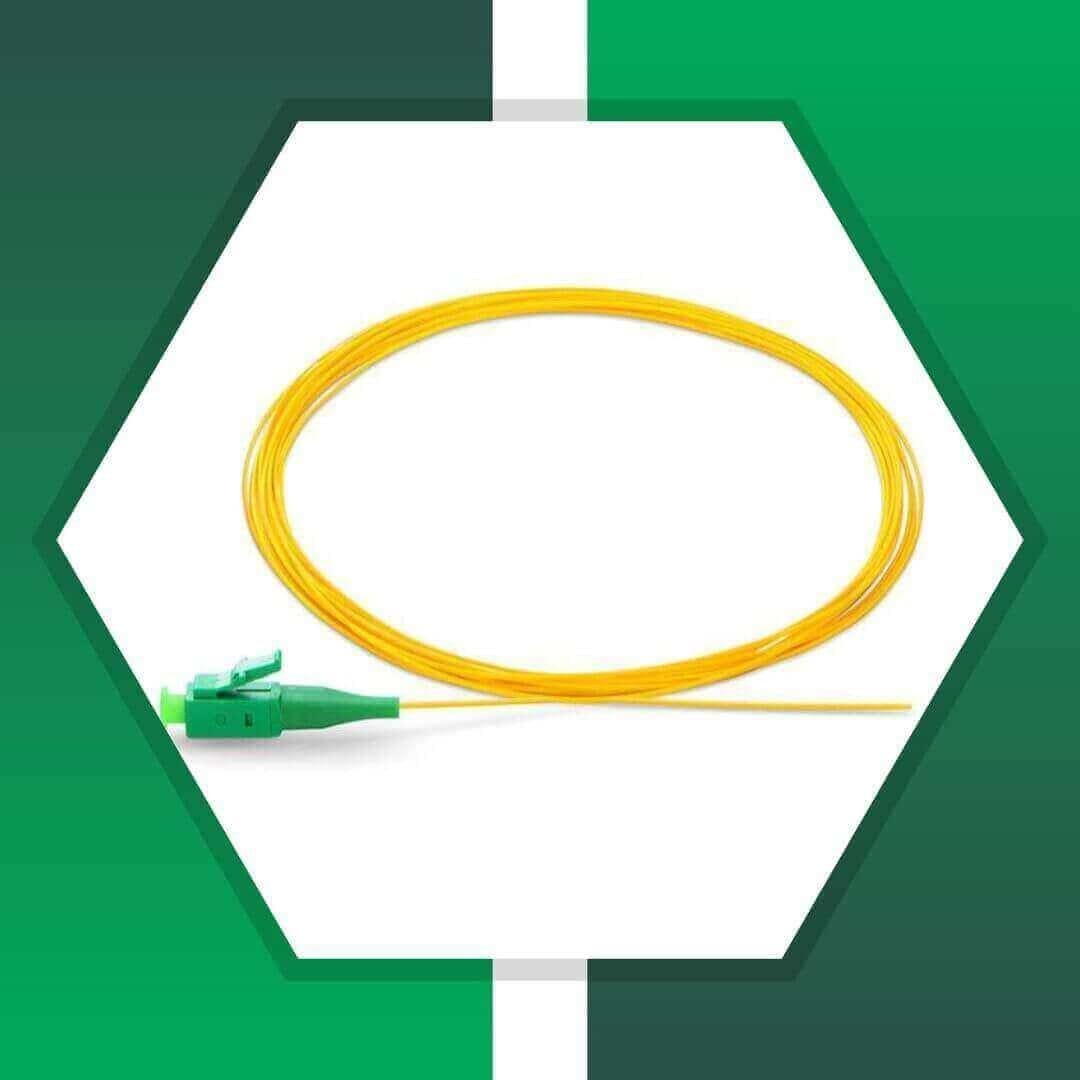
Connector : LC
Polish Type : APC
Fiber Mode : 9/125umFiber Grade : ITU-TG.652D, G.657A1 /A2
Wavelength : SM:1310/1550nm
Cable Diameter : 0.9mm
Insertion loss : ≤0.3 dB
Return loss :≥60 dB
Durability : >1000 Times
Minimum Bend Radius : 30 mm
Jacket Material : LSZH
Color : Yellow
Products ID :TMT-P52001Y
Brand : TMT GLOBAL
Manufactured by: fahad cables industry
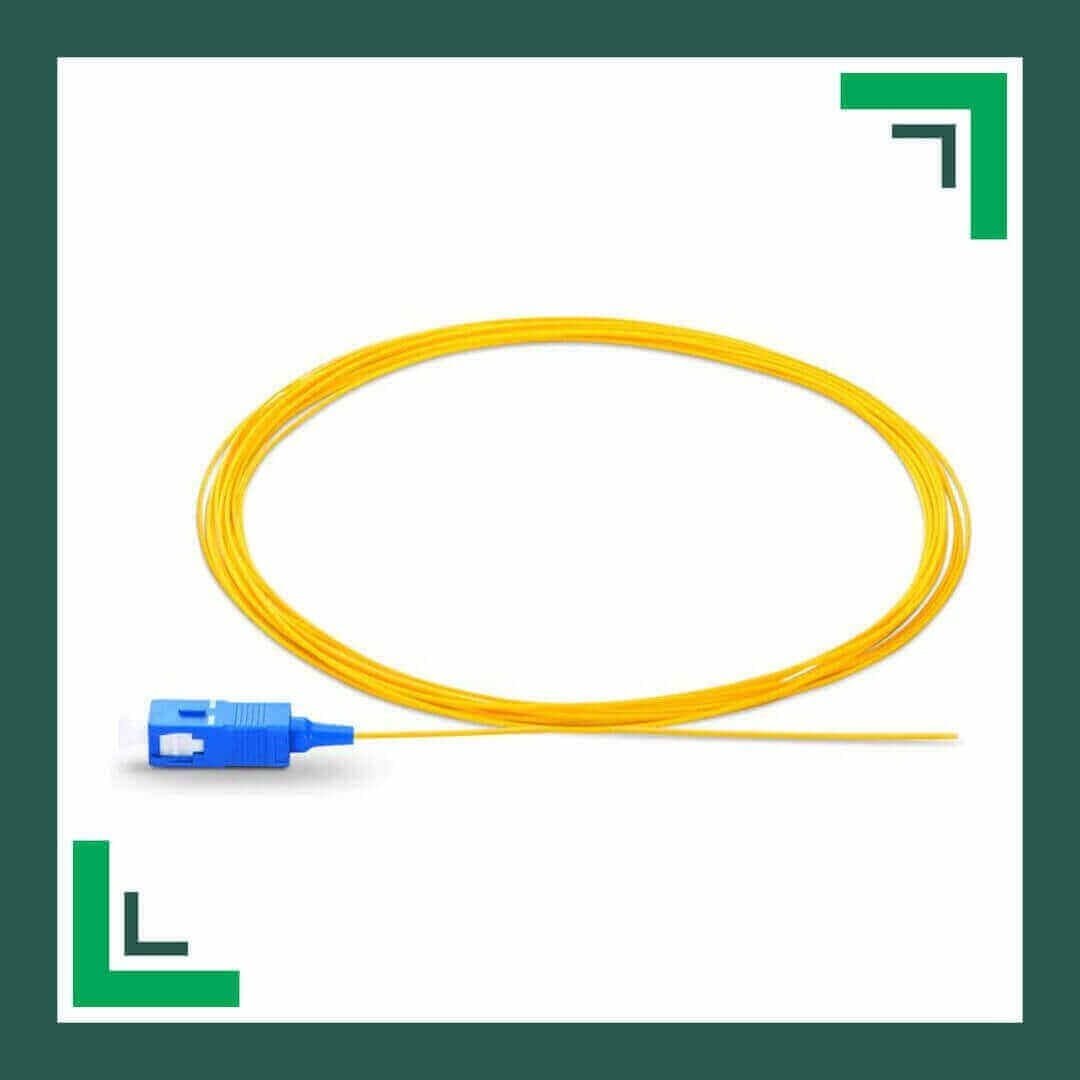
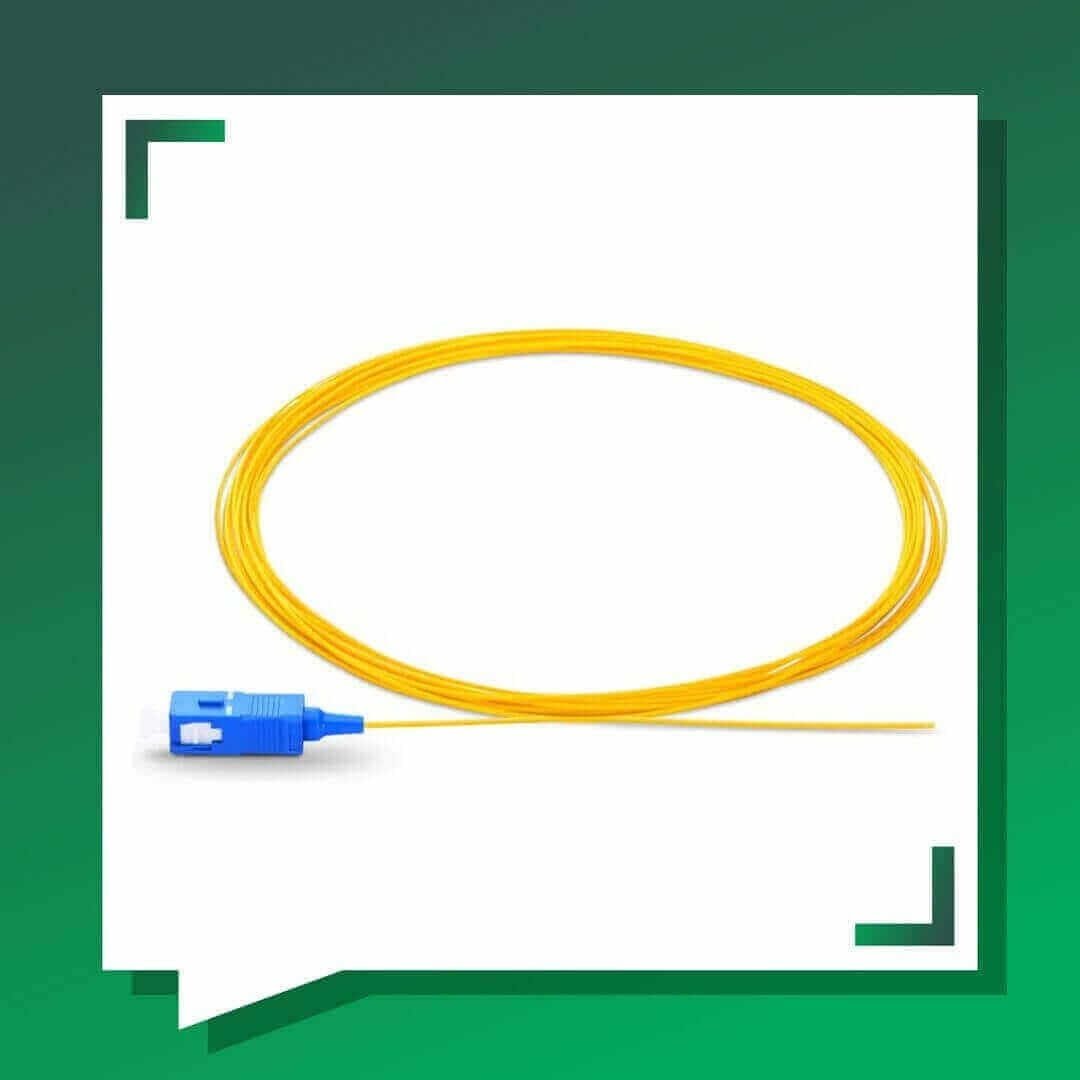
General Specification
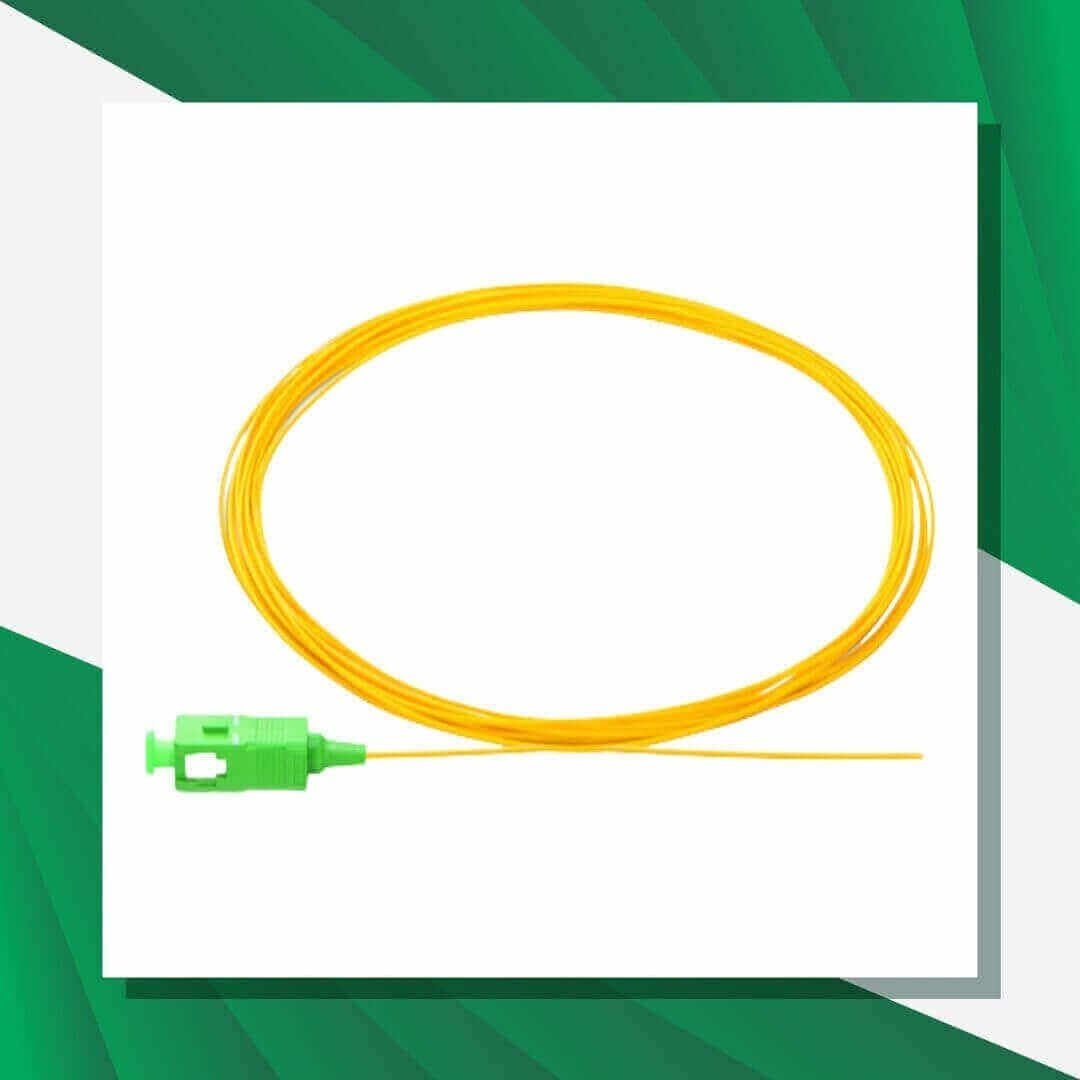
Connector : SC
Polish Type : UPC
Fiber Mode : 9/125um
Fiber Grade : ITU-TG.652D
Wavelength : SM:1310/1550nm
Cable Diameter : 0.9MM
Insertion loss : ≤0.3 dB
Return loss : ≥50 dB
Durability : >1000 Times
Minimum Bend Radius : 30 mm
Jacket Material : LSZH
Color : Yellow
Products ID : TMT-P53001Y
Brand : TMT GLOBAL
Manufactured by: fahad cables industry
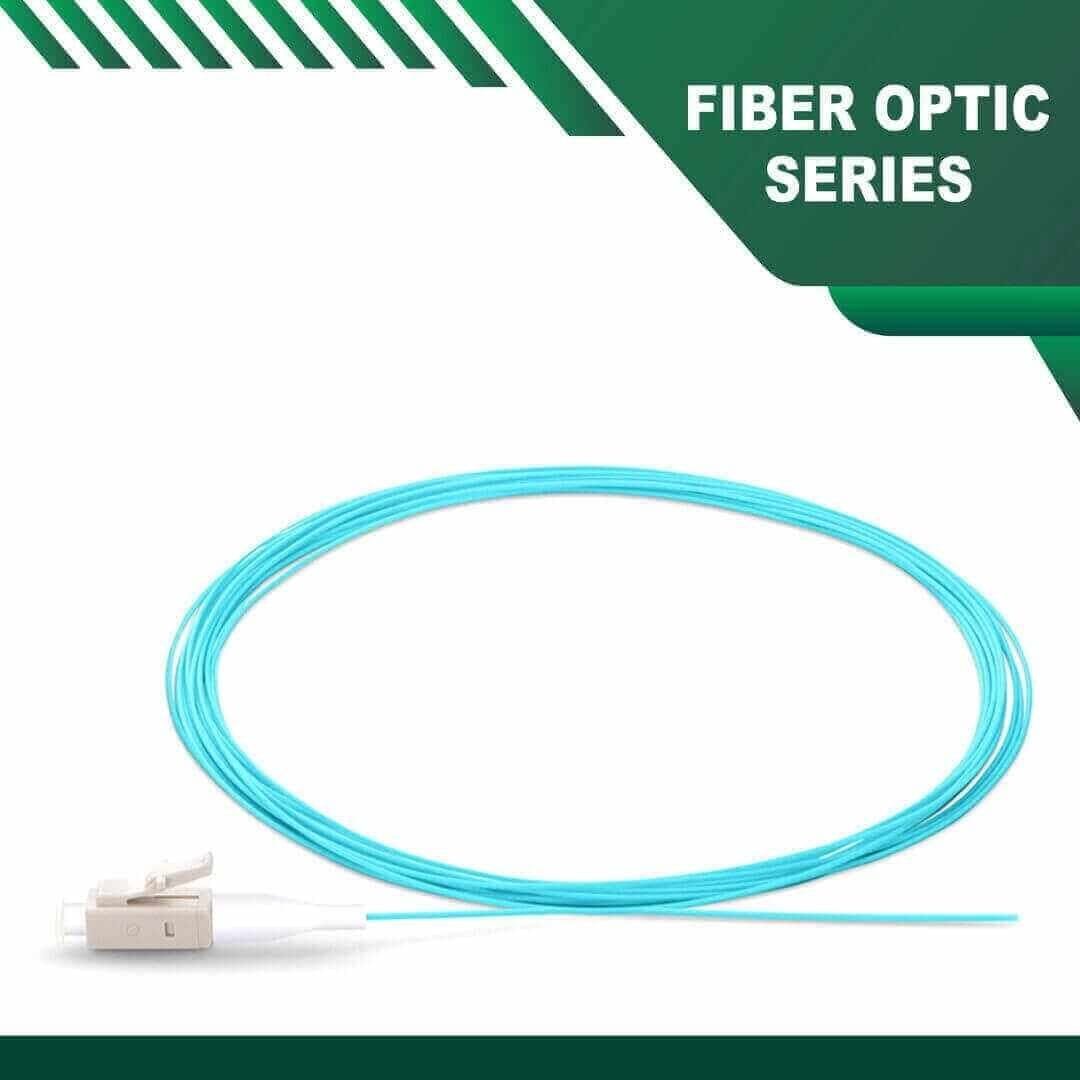
General Specification
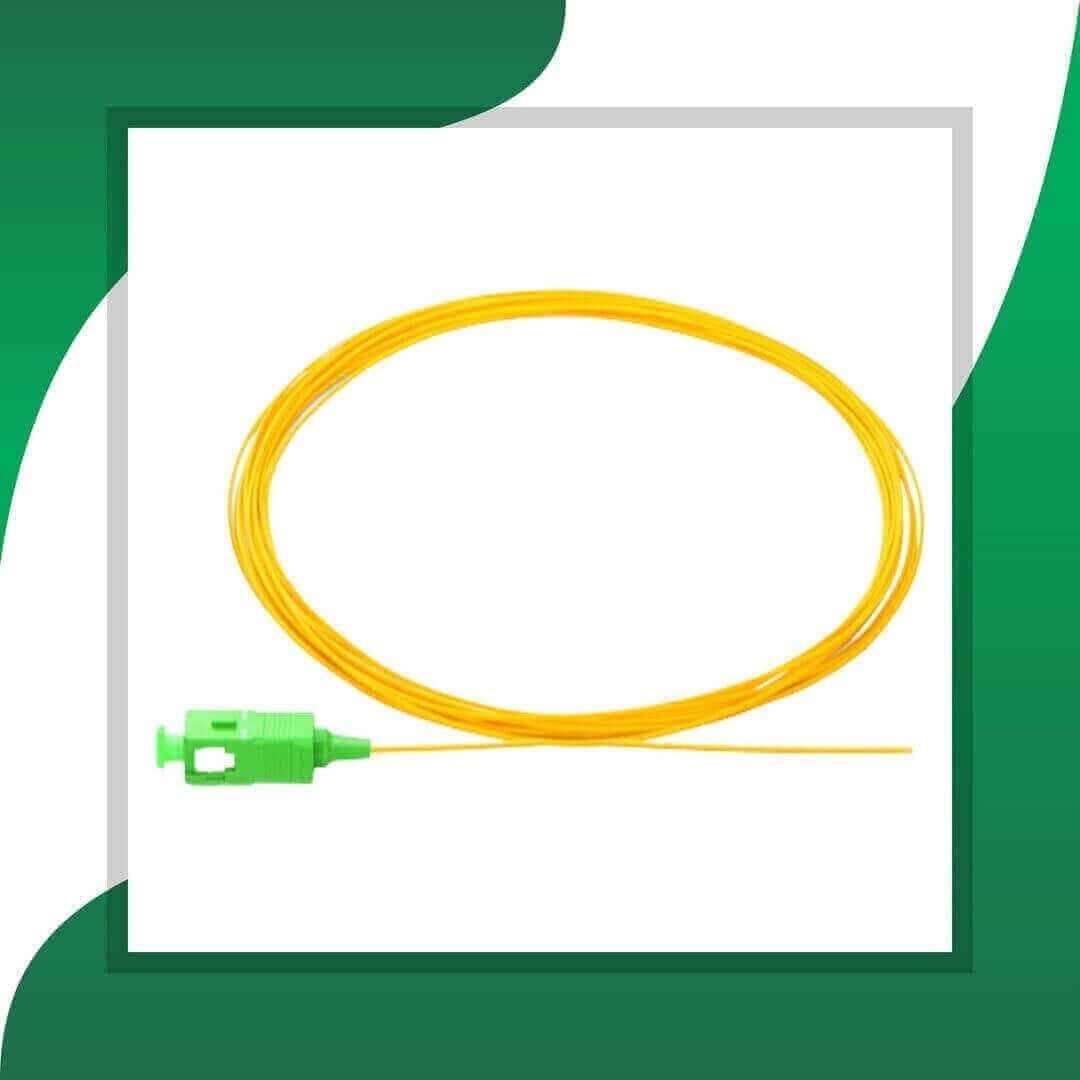
Connector : SC
Polish Type : UPC
Fiber Mode : 50/125um
Fiber Grade : OM3
Wavelength : 850/1300 nm
Insertion loss : ≤0.3 dB
Return loss : ≥20 dB
Jacket Material : LSZH
Products ID : TMT-P33001A
Brand : TMT GLOBAL
Manufactured by: fahad cables industry
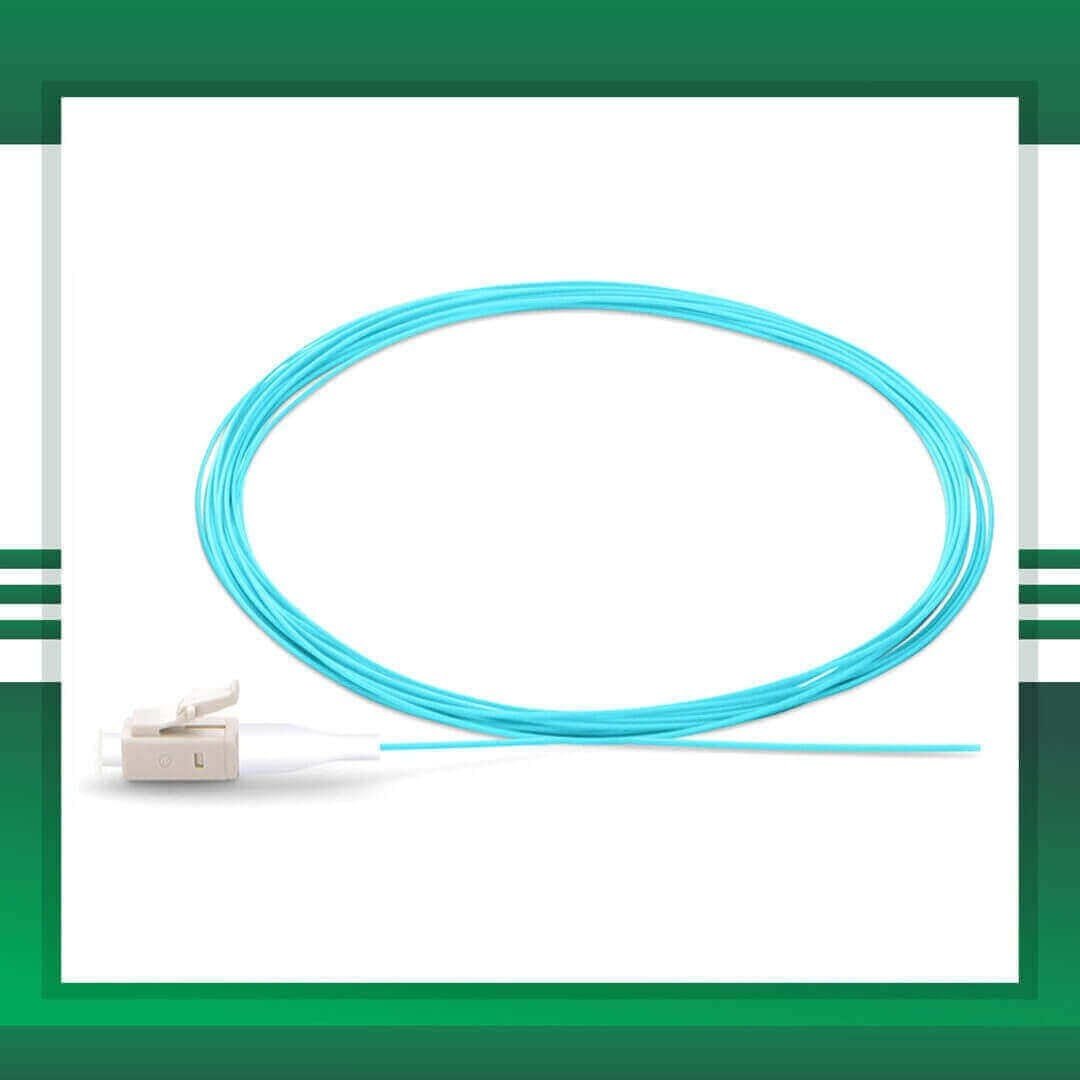
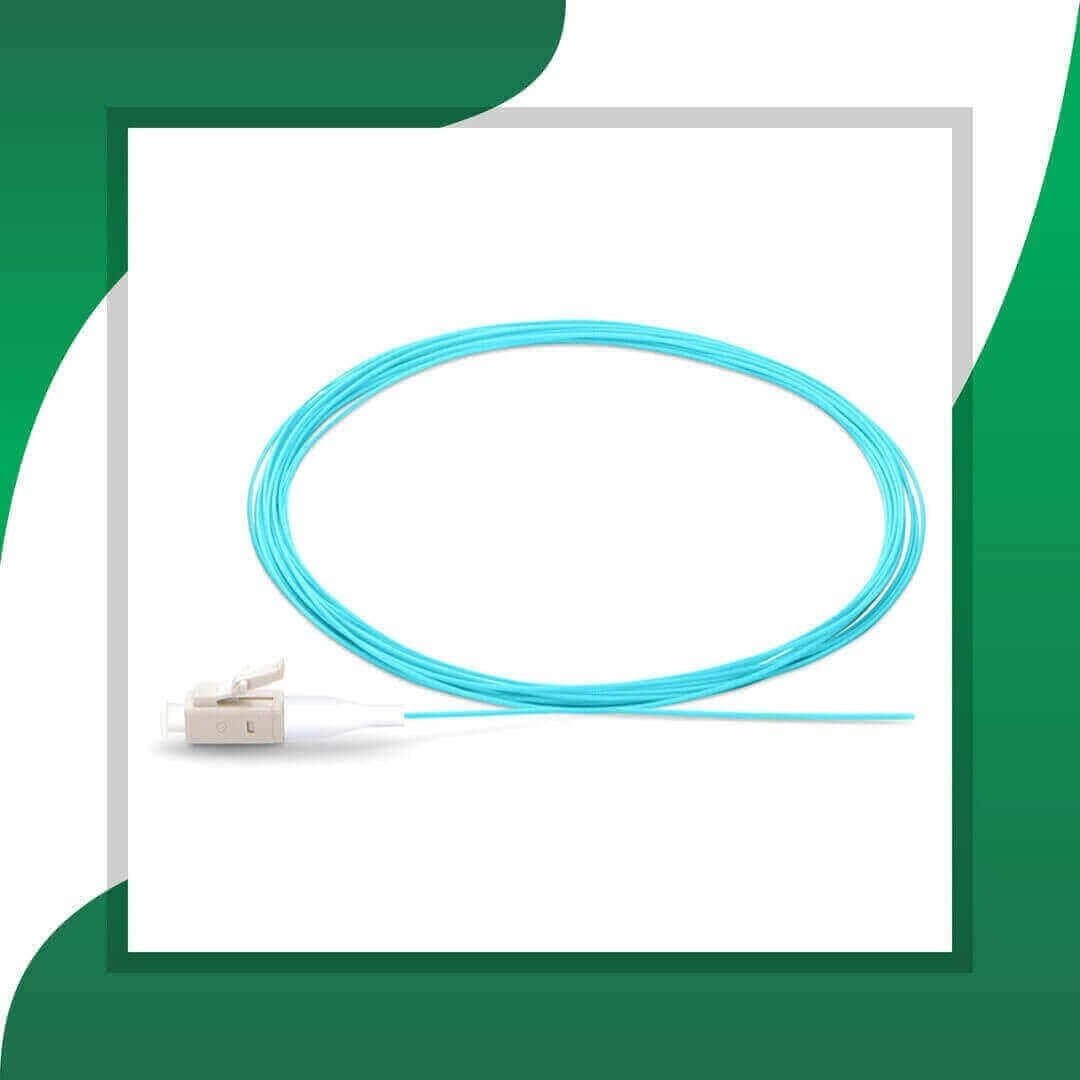
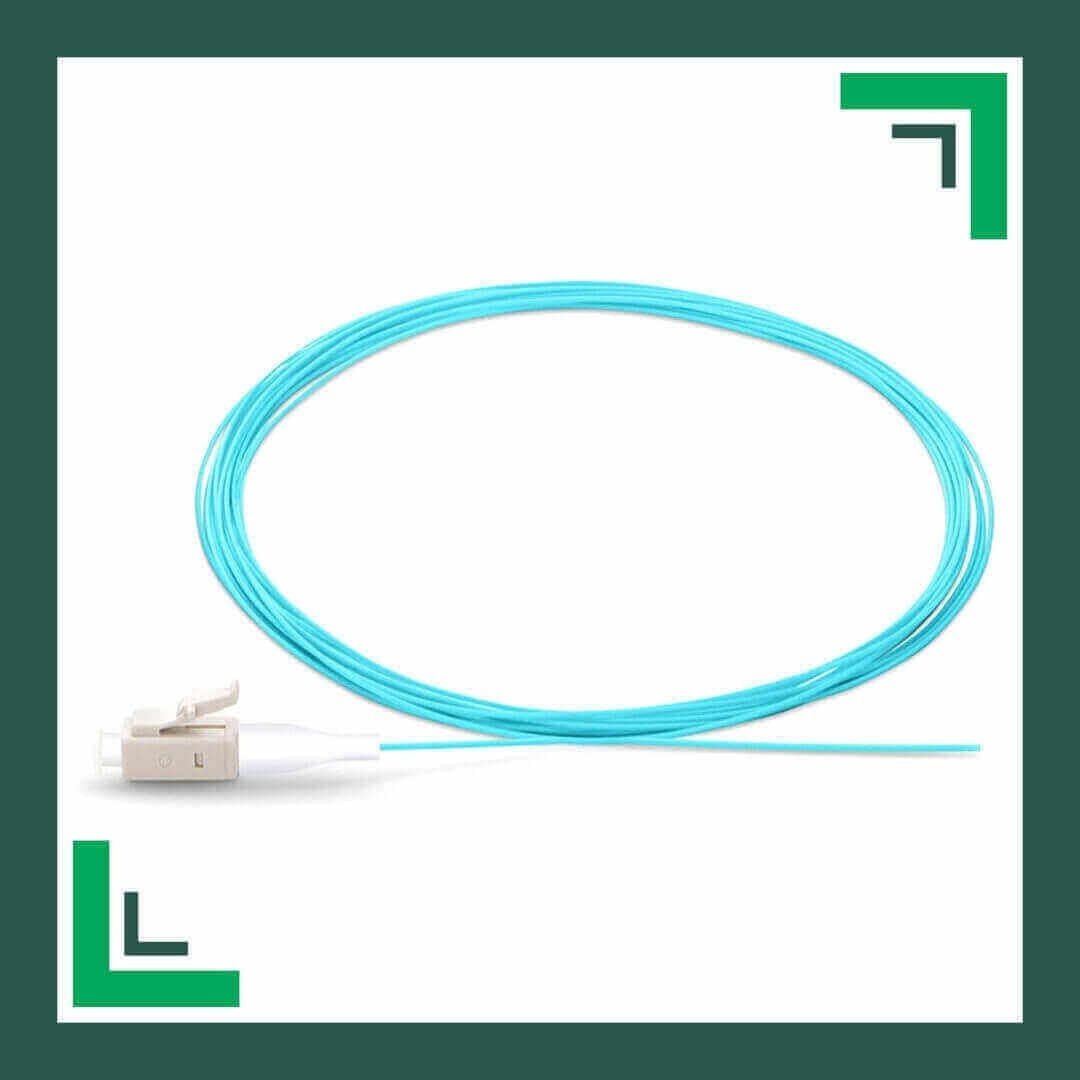
General Specification
Connector : LC
Polish Type : UPC
Fiber Mode : 50/125um
Fiber Grade : OM3
Wavelength : 850/1300 nm
Cable Diameter : 0.9 mm
Insertion loss : ≤0.3 dB
Return loss : ≥20 dB
Durability : >1000 Times
Minimum Bend Radius : 7.5mm
Jacket Material : LSZH
Color : Aqua
Products ID :TMT-P34001A
Brand : TMT GLOBAL
Manufactured by: fahad cables industry
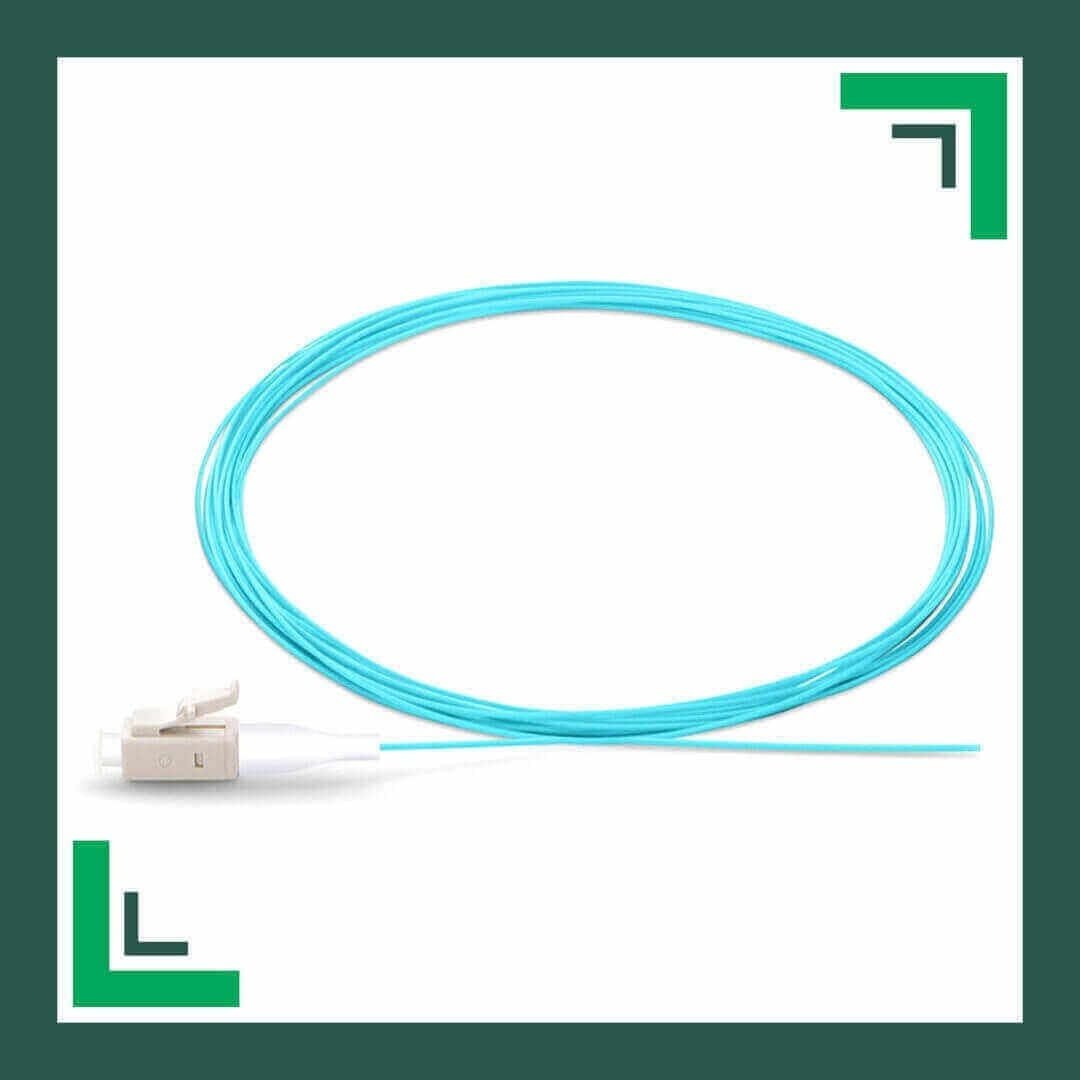
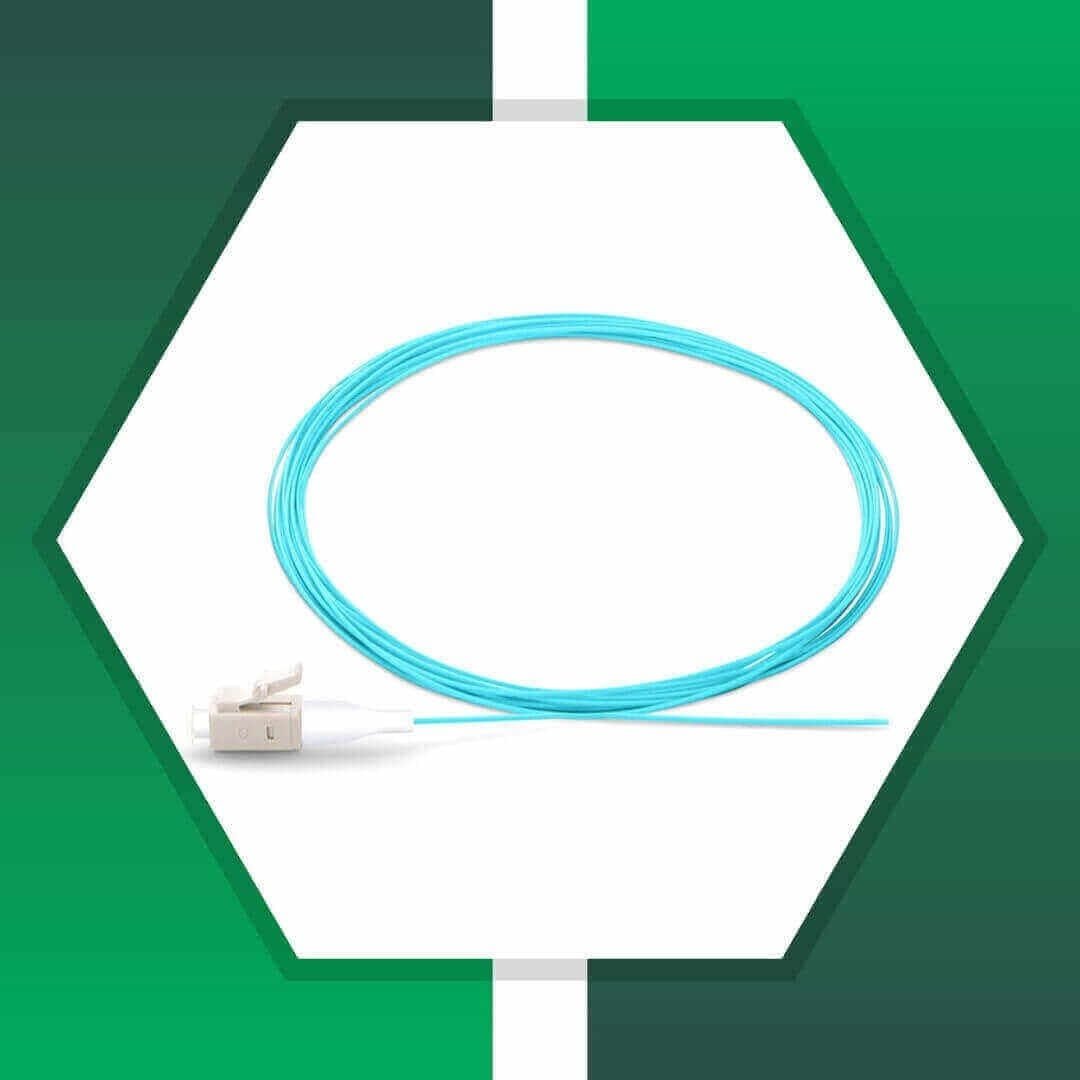
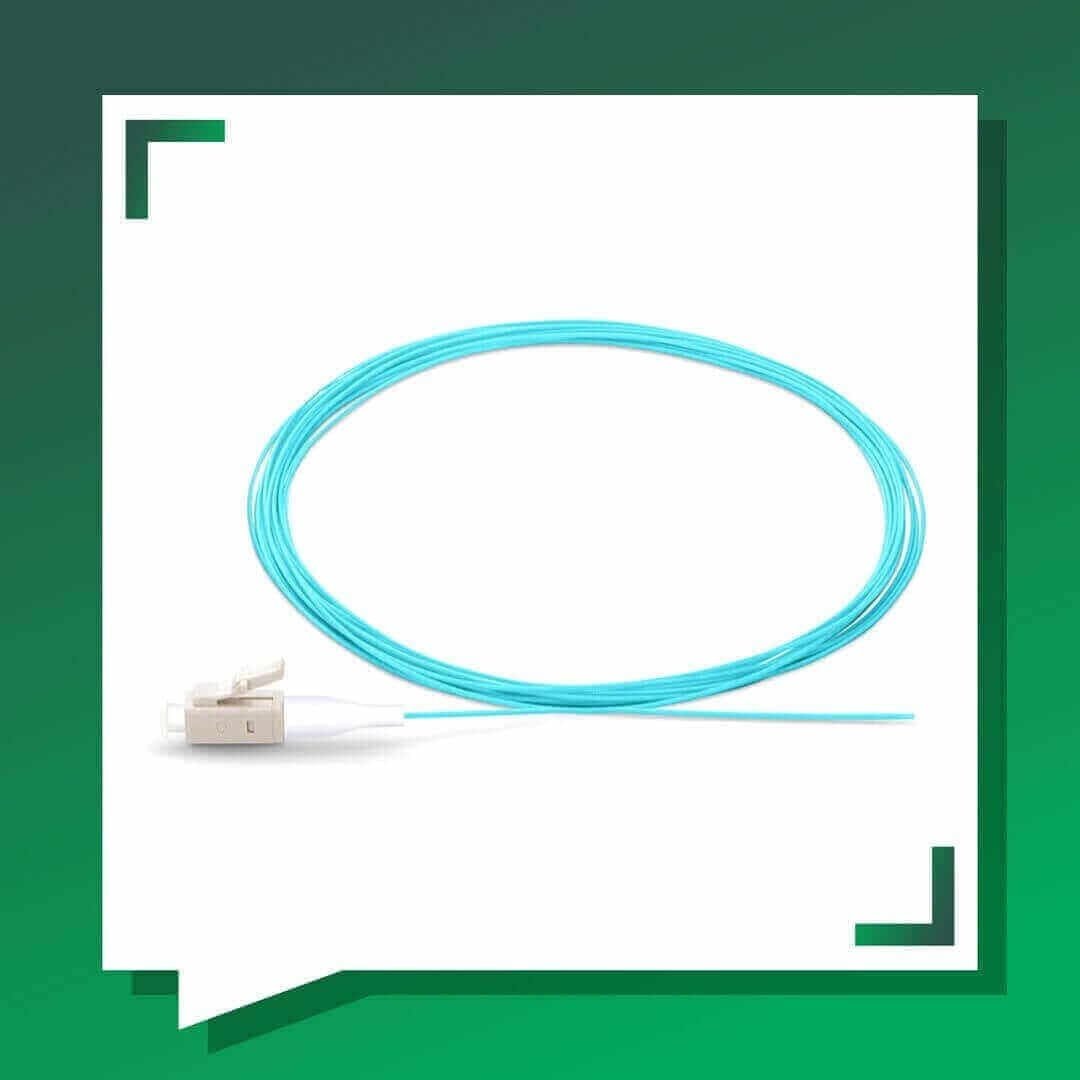
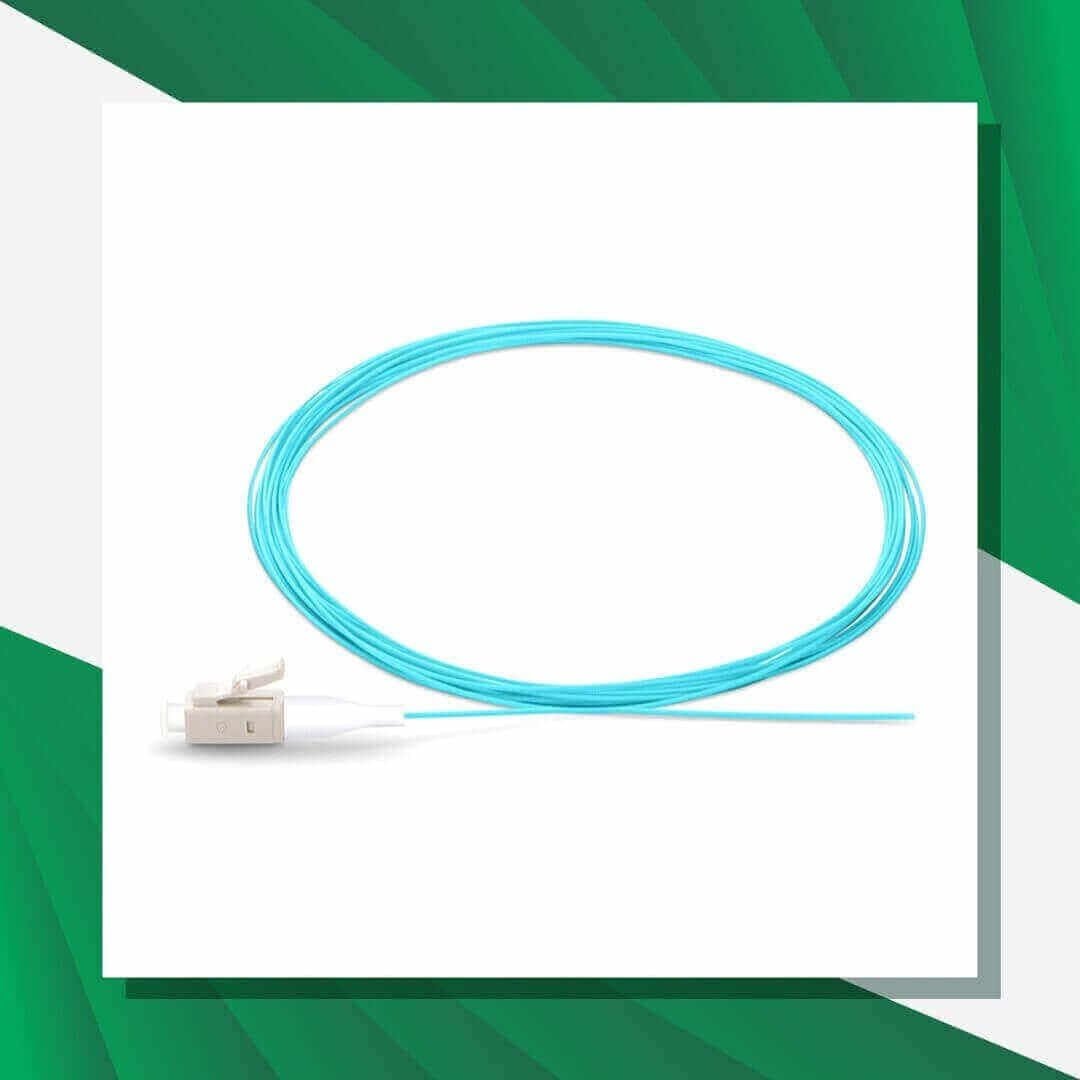
Fiber optic pigtails are specialized optical fibers that play a crucial role in fiber optic communication systems. They consist of a fiber strand that is pre-terminated with a connector at one end, allowing for easy connection to fiber optic equipment and other cables. The primary purpose of these pigtails is to ensure reliable signal transmission over long distances, facilitating high-speed data transfer and maintaining the integrity of the signal throughout the communication system.
One significant distinction between fiber optic pigtails and other types of fiber optic cables lies in their configuration and intended use. Standard fiber optic cables may contain multiple fibers grouped together in a single jacket, while pigtails have a singular focus on connecting individual fibers to equipment. This unique design makes pigtails particularly valuable in environments where space is limited or in systems that require rapid installation and maintenance.
Moreover, quality in fiber optics is paramount, as even minute imperfections can result in significant signal loss, degraded performance, or complete system failure. This is where manufacturers like TMT Global Technology Ltd come into the picture, providing high-quality fiber optic solutions that ensure optimal performance in diverse applications. Their commitment to excellence in producing fiber optic pigtails and other components contributes to the overall reliability and efficiency of modern communication networks.
As the demand for faster and more reliable internet connections continues to grow, understanding the various types of fiber optic pigtails, such as SC, LC, ST, UPC, APC, OS2, OM2, OM3, and OM4 variants, becomes increasingly important for both professionals and consumers. This knowledge will aid in making informed decisions about the components used in fiber optic systems.
Fiber optic connectors play an essential role in the communication infrastructure by ensuring efficient transmission of data over long distances. Among the various types of connectors, SC, LC, and ST connectors are the most prevalent in the networking environment. Each type has unique characteristics that define its usability and suitability for specific applications.
The SC (Subscriber Connector) connector is a widely used fiber optic connector known for its easy-to-use push-pull design. It features a square shape, which allows for effective alignment between the fiber cores, reducing signal loss. SC connectors are often used in data centers and telecom applications due to their low insertion loss and high return loss characteristics. Their robustness and reliability make them suitable for high-density applications, facilitating seamless communication without significant disruptions.
On the other hand, the LC (Lucent Connector) connector is recognized for its compact size and locking mechanism, which helps to save space in patch panels and trays. This connector is highly popular in modern networking setups, particularly in Local Area Networks (LANs) and fiber-to-the-home (FTTH) implementations. The LC connector’s smaller size allows for higher port density, making it ideal for environments where multiple connections are needed in a limited area.
Finally, the ST (Straight Tip) connector is characterized by its bayonet coupling mechanism, providing a reliable connection in situations where vibration or movement may occur. This type of connector is commonly used in industrial and educational settings, where durability and ease of maintenance are critical. The ST connector supports multimode and single-mode fibers, allowing for versatility in numerous applications that require both types of fiber.
Each of these connectors—SC, LC, and ST—has its specific applications in the field of fiber optics, contributing to efficient data transmission and improving communication capabilities in various networking environments.
Fiber optics can be primarily categorized into two types: single mode and multi-mode, each possessing distinct characteristics and applications. Single mode fiber (SMF) is designed to allow light to travel directly down the center of the fiber, minimizing modal dispersion. This type of fiber utilizes a small core diameter, typically around 8 to 10 microns, which enables the transmission of data over long distances with minimal signal loss. Single mode fibers are often utilized in telecommunications and high-speed data networks where long-range transmission is essential.
In contrast, multi-mode fiber (MMF) features a larger core diameter, usually between 50 and 62.5 microns, allowing multiple modes or light paths to propagate simultaneously. This results in greater modal dispersion, which can limit the distance that multi-mode fibers can effectively transmit signals. Multi-mode fibers are typically used in local area networks (LANs) and for applications where the distance between connected devices is shorter. For multi-mode fibers, there are standard classifications such as OM2, OM3, and OM4, each with varying performance levels and specifications.
The performance of single mode and multi-mode fibers can also be characterized by their respective standard specifications. OS2 is the standard for single mode fibers, indicating a maximum attenuation of 0.4 dB/km at 1310 nm, highlighting its suitability for long-distance communication. On the other hand, standards OM2, OM3, and OM4 describe multi-mode fibers with varying bandwidth capabilities and transmission distances, with OM4 supporting higher data rates over longer distances than OM2 and OM3.
In summary, understanding the differences in functionality and application between single mode and multi-mode fibers is essential for designing efficient networking solutions. Each type has its unique set of advantages and disadvantages that influence their use in various telecommunications infrastructures.
TMT Global Technology Ltd stands at the forefront of the fiber optics industry, renowned for its unwavering commitment to producing high-quality fiber optic pigtails and related solutions. The company has established an esteemed reputation by leveraging state-of-the-art manufacturing processes that ensure the utmost precision and reliability in their products. Every stage of production is meticulously managed, from the selection of raw materials to the final quality checks, reflecting a steadfast dedication to excellence.
The manufacturing process at TMT involves advanced automation techniques combined with meticulous manual supervision, thereby reducing the possibility of errors and enhancing yield quality. Each fiber optic pigtail undergoes rigorous testing to guarantee optimal performance characteristics, such as attenuation, insertion loss, and return loss. These measures not only fulfill industry standards but also elevate TMT’s product offerings above the competition.
In addition to their robust manufacturing processes, TMT Global Technology Ltd places significant emphasis on quality control measures. A well-defined quality management system is implemented that adheres to international benchmarks, ensuring that every product leaving the facility meets high-performance criteria. The meticulous quality assurance protocols not only enhance product reliability but also build trust with clients and partners.
Technological advancements play an essential role in TMT’s production capabilities. The company invests continuously in research and development to incorporate cutting-edge technologies that improve efficiency and product performance. Customer feedback is actively sought and analyzed, allowing TMT to adapt and evolve its product range in response to market needs. This responsiveness has a profound impact on global telecommunications, as superior pigtails facilitate faster, more stable networks in diverse sectors.
Ultimately, TMT Global Technology Ltd exemplifies manufacturing excellence through a combination of innovative practices, stringent quality controls, and a commitment to customer satisfaction, positioning itself as a leader in the fiber optics marketplace.