
Alarm cables form the backbone of effective security systems by facilitating communication between alarm sensors and control panels. This guide explores various types of alarm cables, including their core configurations such as 2, 3, 4, 6, 8, and 12 core options, and their specific applications in residential and commercial settings. Learn about the differences between indoor and outdoor alarm cables, their installation requirements, and how to choose the right cable for your security needs. TMT Global Technology Ltd stands out as a leading manufacturer, offering high-quality alarm cables designed for durability and optimal performance. Ensure your security system is both reliable and efficient by understanding the critical role alarm cables play in safeguarding your premises.security alarm cable
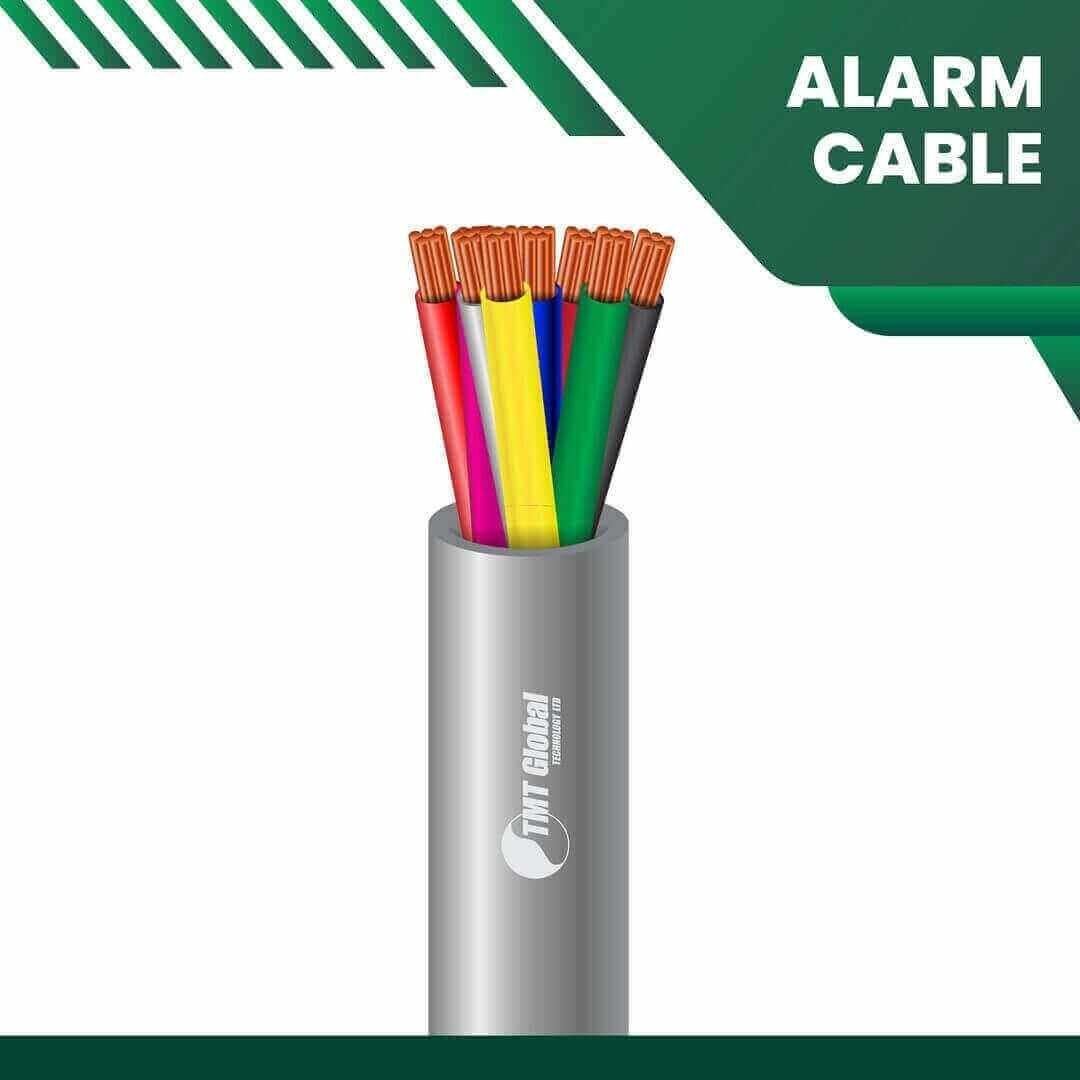
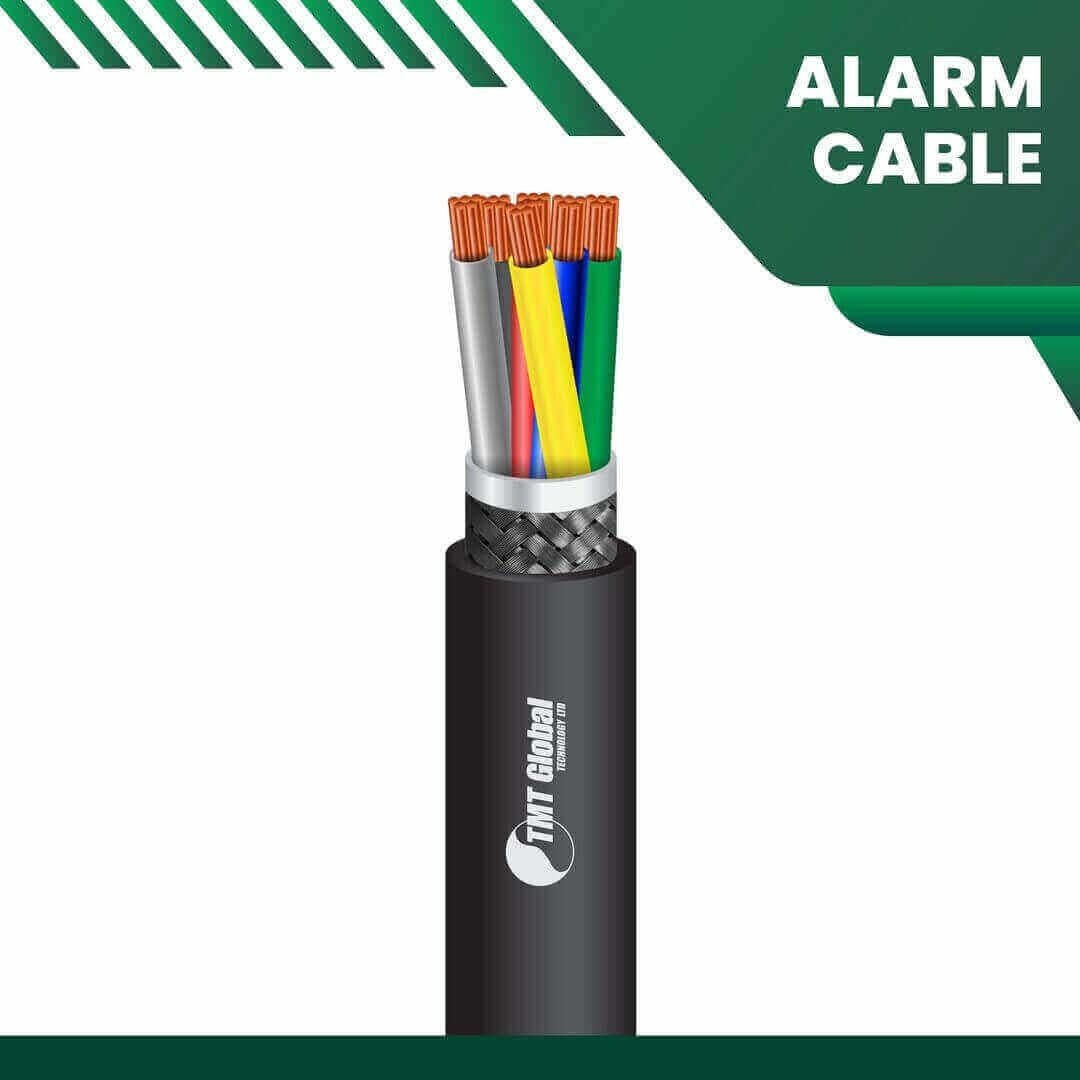
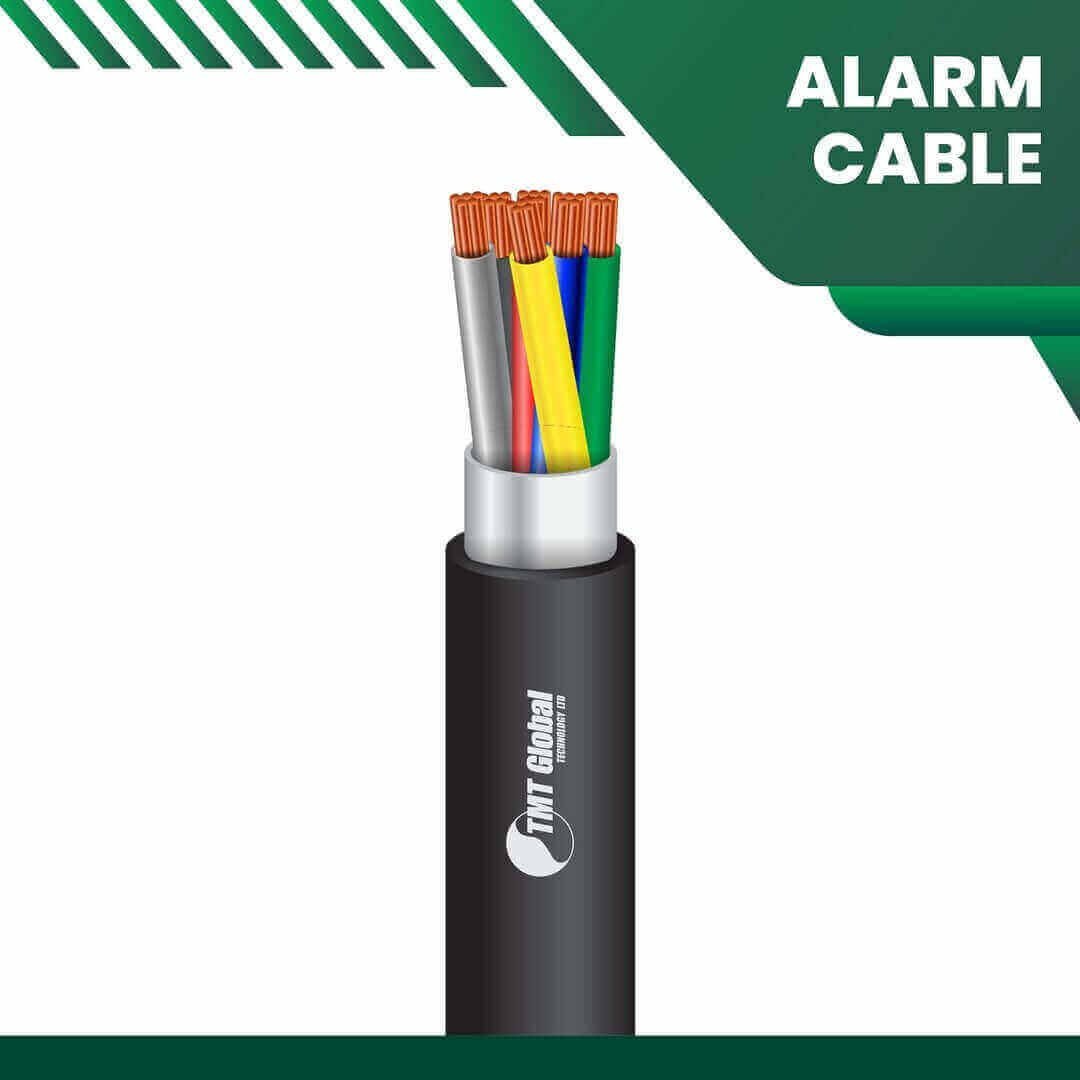
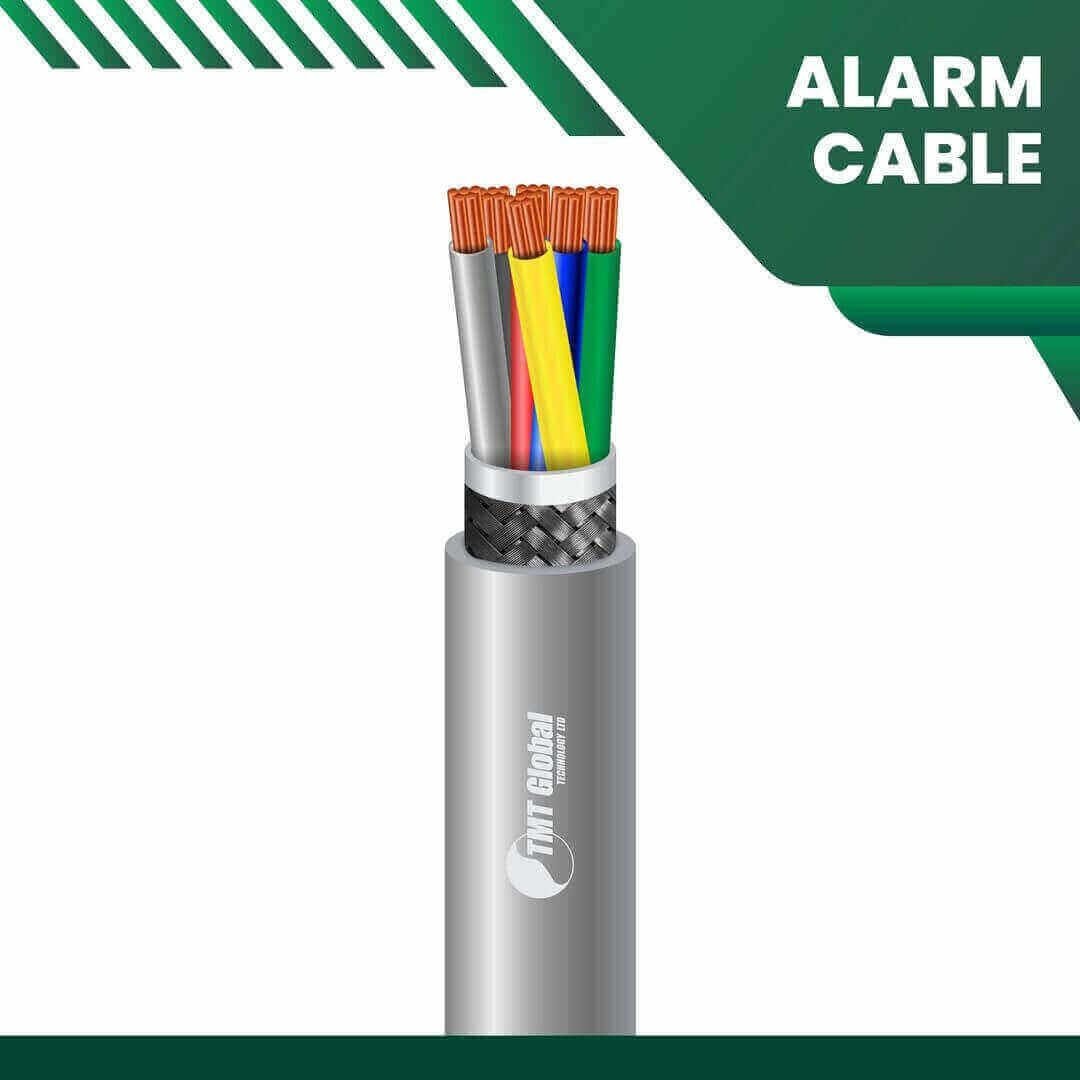
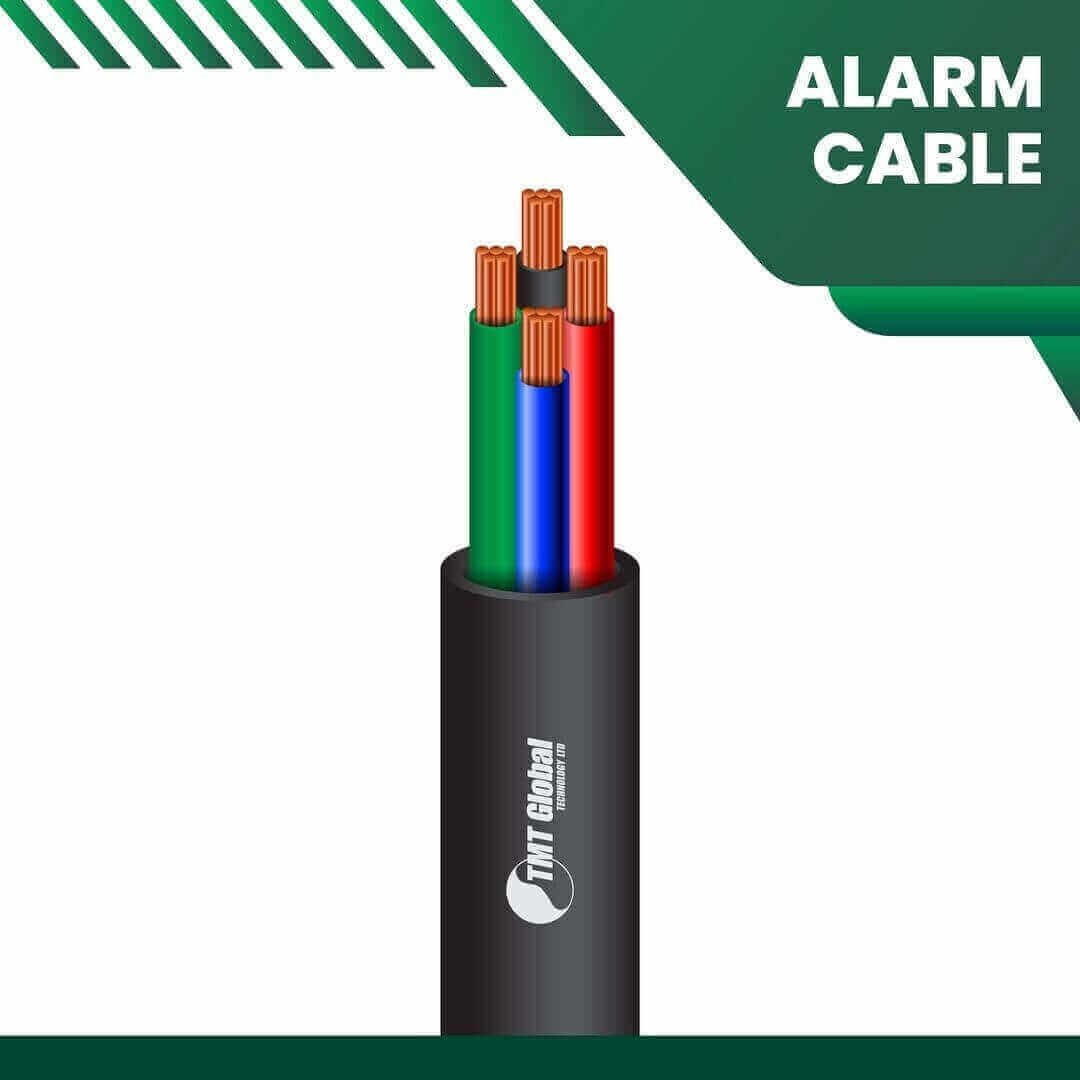
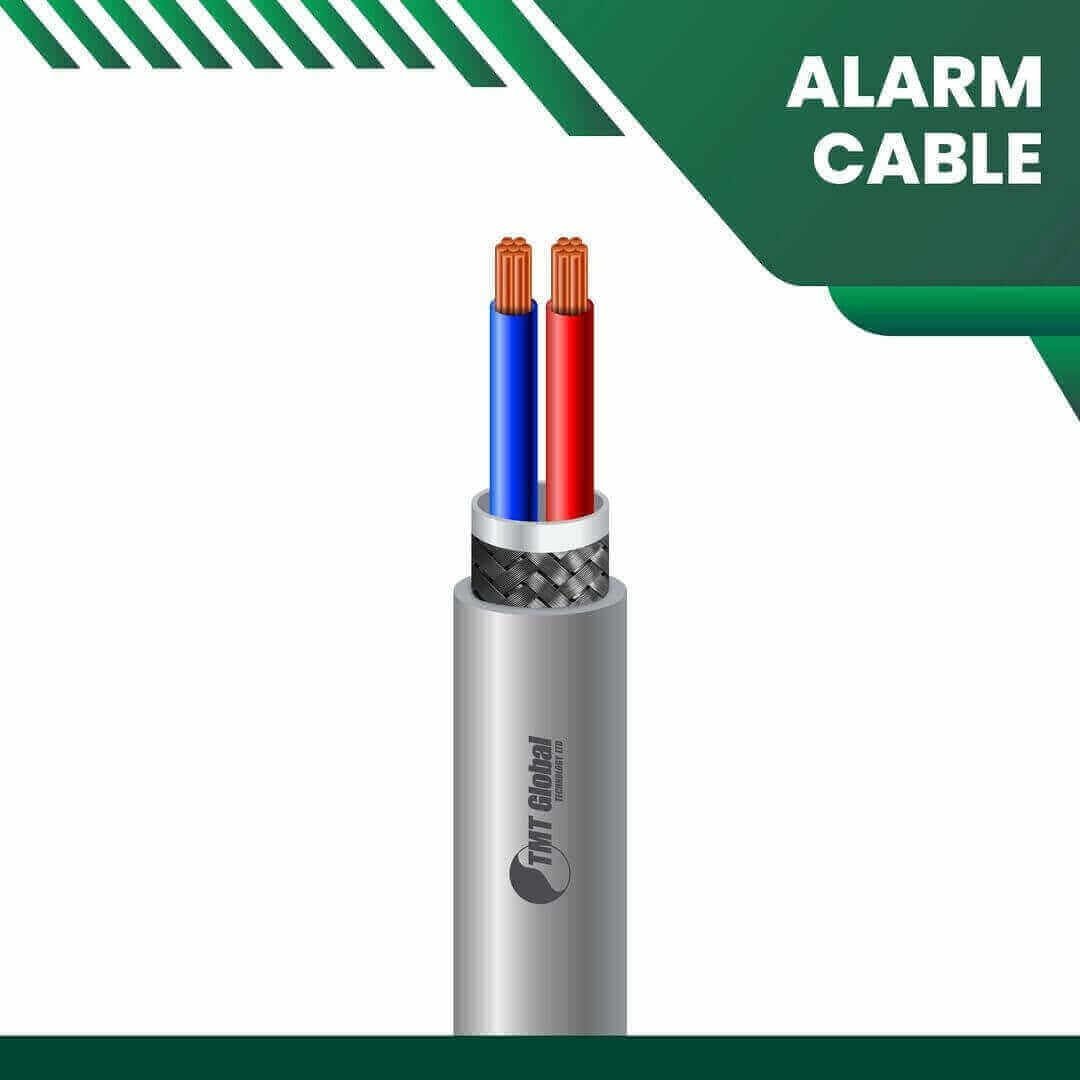
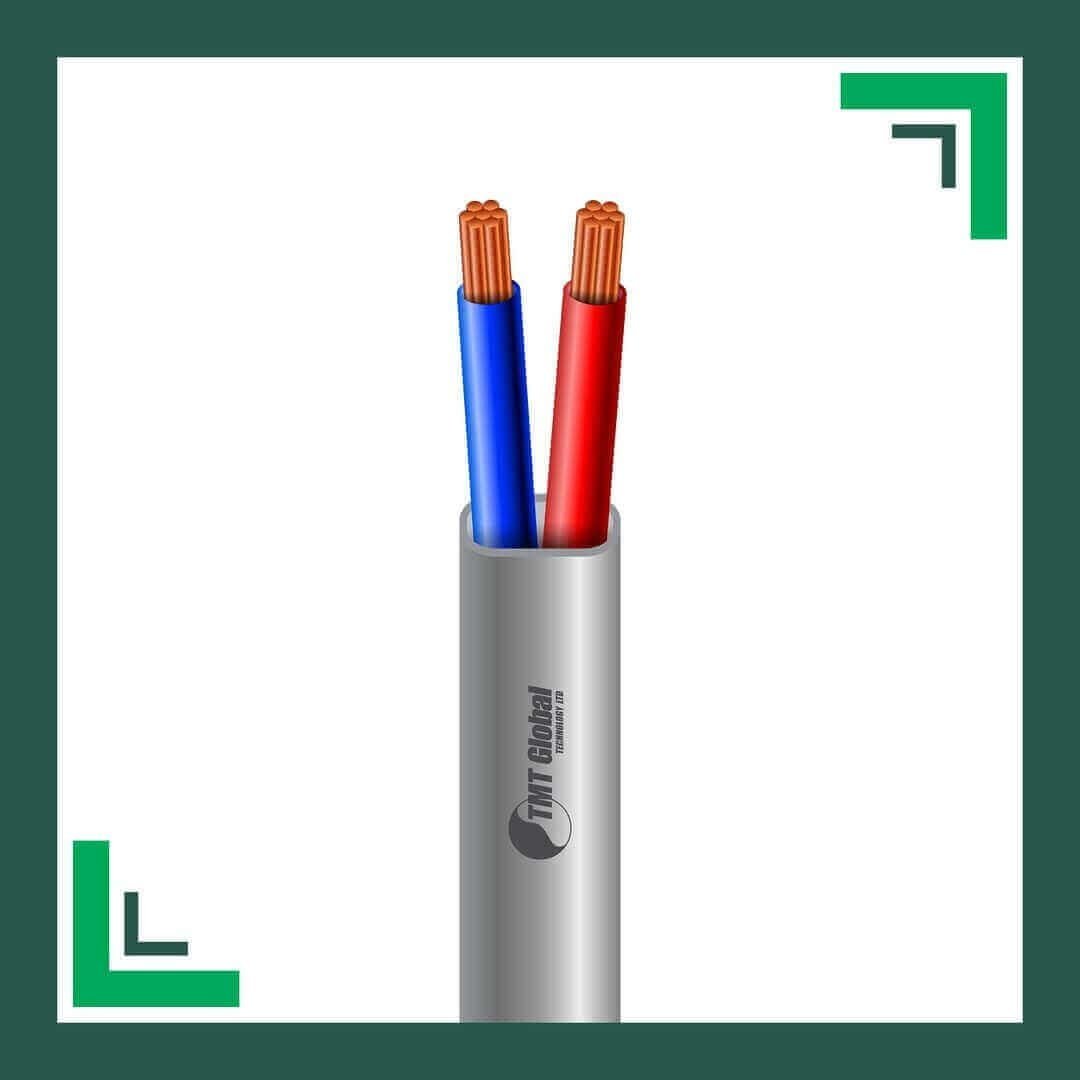
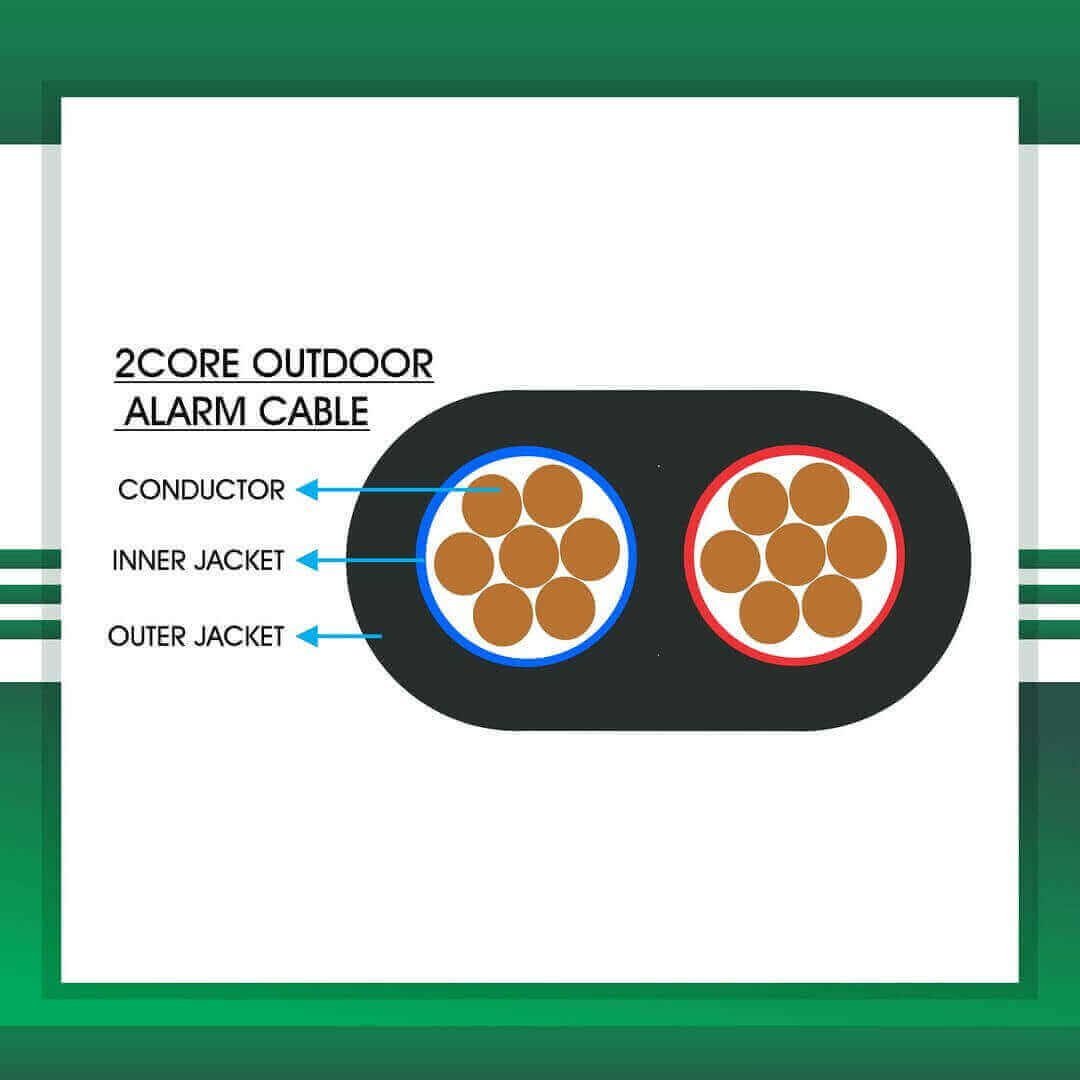
Understanding Alarm Cables: 2 Core, 3 Core, 4 Core, 6 Core, 8 Core, and 12 Core Options from TMT Global Technology Ltd
Introduction to security alarm cable
Alarm cables are essential components of security systems, playing a vital role in facilitating communication between various devices and ensuring effective monitoring of premises. These cables are specifically designed to transmit signals from alarm sensors to control panels or other monitoring equipment, thus forming the backbone of modern security solutions.
The various configurations of alarm cables, such as 2 core, 3 core, 4 core, 6 core, 8 core, and 12 core options, allow for flexibility and customization in alarm system designs. A 2 core cable is commonly used for simple circuit connections, serving the basic functions of power and signal transmission. In contrast, a 3 core cable can accommodate additional functionalities, making it suitable for systems that require power, ground, and signal capabilities all in one line.
As the complexity of security systems increases, manufacturers provide alarm cables with more cores. For instance, a 4 core cable may be used for applications that need more connections, such as integrating multiple sensors or devices. Cables with 6, 8, or even 12 cores are typically deployed in advanced alarm systems, enabling seamless interaction between various security components such as cameras, intrusion detection sensors, and fire alarms, thereby enhancing the overall efficiency of the system.
TMT Global Technology Ltd stands out as a leading manufacturer of alarm cables, offering a diverse range of options tailored to meet the requirements of different security applications. With a focus on innovation and quality, TMT Global Technology Ltd provides reliable alarm cable solutions that ensure optimal performance, durability, and safety in various environments.
Types of Alarm Cables: Core Configurations and Their Uses
Alarm cables are integral to modern security systems, providing the necessary functionality for both residential and commercial applications. The core configuration of an alarm cable determines its signal handling capacity, distance coverage, and suitability for specific applications. In this section, we will explore the various core configurations such as 2 core, 3 core, 4 core, 6 core, 8 core, and 12 core options available from TMT Global Technology Ltd.
The 2 core alarm cable is the most basic configuration. It is generally used for wiring single-loop systems, such as basic burglar alarms where two wires suffice for power and signal transmission. It offers simplicity and cost-effectiveness, making it suitable for residential settings.
For slightly more complex installations, the 3 core alarm cable provides an extra core which is often used for circuits requiring additional functionality, such as triggering sound alarms or supporting sirens. These cables remain useful in small commercial setups as well.
Expanding further, the 4 core alarm cable is widely utilized in systems where multiple signals are necessary. This configuration can handle more sophisticated alarms, including motion detectors and advanced monitoring systems. It is often implemented in mid-sized commercial environments.
The 6 core alarm cable and higher configurations, such as 8 and 12 core, are designed for complex alarm systems that may integrate multiple zones or features. They enable simultaneous communication for several devices, making them ideal for expansive commercial installations or high-security setups. Each core typically accommodates a distinct function, enhancing the ability to cover extensive distances without signal degradation.
In conclusion, choosing the appropriate core configuration in alarm cables is essential for optimizing functionality, ensuring that security systems are effectively tailored to meet specific operational demands, whether in residential or commercial settings.
Indoor vs. Outdoor Alarm Cables
When it comes to selecting alarm cables for security systems, understanding the distinction between indoor and outdoor options is crucial. Indoor alarm cables are designed for use within buildings and are typically constructed with materials that may not withstand harsh environmental conditions. They tend to have lighter insulation and shielding because they are protected from the elements, focusing primarily on electrical performance and flexibility in installation.
In contrast, outdoor alarm cables need to be robust and resilient. These cables are manufactured with materials that are resistant to moisture, temperature fluctuations, UV exposure, and other environmental factors. This durability is achieved through specialized insulation and additional shielding designed to prevent interference from external sources. Outdoor cables often have thicker sheathing to protect against physical damage and temperature variations.
Another notable difference lies in the installation requirements for both types of cables. Indoor alarm cables can usually be installed in a broader range of settings, including within wall cavities or ceilings, and are often more straightforward to route due to their flexibility. However, outdoor cables must adhere to specific installation guidelines to ensure they resist environmental factors. This may include burial in conduit or protective tubing in cases where they are not buildings-bound.
Practical examples can illustrate the importance of choosing the right cable type. For instance, if a property owner wishes to install a surveillance system that includes external cameras, using outdoor cables would be imperative to ensure the system's longevity and reliability. Conversely, for internal motion detectors or alarms, indoor cables would suffice. Ultimately, selecting the appropriate alarm cable option significantly affects the performance and durability of the security system being implemented.
Choosing the Right Alarm Cable for Your Needs
When selecting the appropriate alarm cable, several factors come into play. The decision largely depends on the specific requirements of your project, including cable length, installation environment, and the type of security system in use. Each of these elements influences not only the functionality of the alarm system but also its overall reliability and effectiveness.
First, consider the cable length required for your setup. Longer runs may necessitate thicker cables to prevent voltage drop, ensuring that the alarm system operates efficiently over distance. For example, if the installation covers significant distances, opting for a cable with a larger core size, like the 4 core or 6 core options, may be advisable. This helps maintain signal integrity and reduces the possibility of malfunctions.
The installation environment is another crucial consideration. Cables installed outdoors will need to withstand different weather conditions, so selecting cables with proper insulation and resistance properties is essential. Indoor installations may have different requirements, such as flexibility for tight spaces or compatibility with other wiring systems. Here, the choice among 2 core, 3 core, and multi-core cables will depend on the complexity and demands of the setup.
Additionally, the type of alarm system being employed, whether it’s a burglar alarm, fire alarm, or integrated security system, will determine the kind of cable requirements. Each system may have specific specifications concerning the number of cores and their configurations for optimal performance. It is also critical to prioritize manufacturers' reputation, such as TMT Global Technology Ltd, known for providing high-quality alarm cables. Reliable manufacturers ensure that the cables meet industry standards, thereby facilitating enhanced safety and longevity of the alarm systems.
Ultimately, making an informed choice regarding the alarm cable structure can significantly impact the effectiveness of your security setup. Take the time to evaluate all aspects carefully before proceeding with a purchase to ensure that your alarm system remains both effective and dependable.